Holiday Giveaway Calendars: How to Build One for December
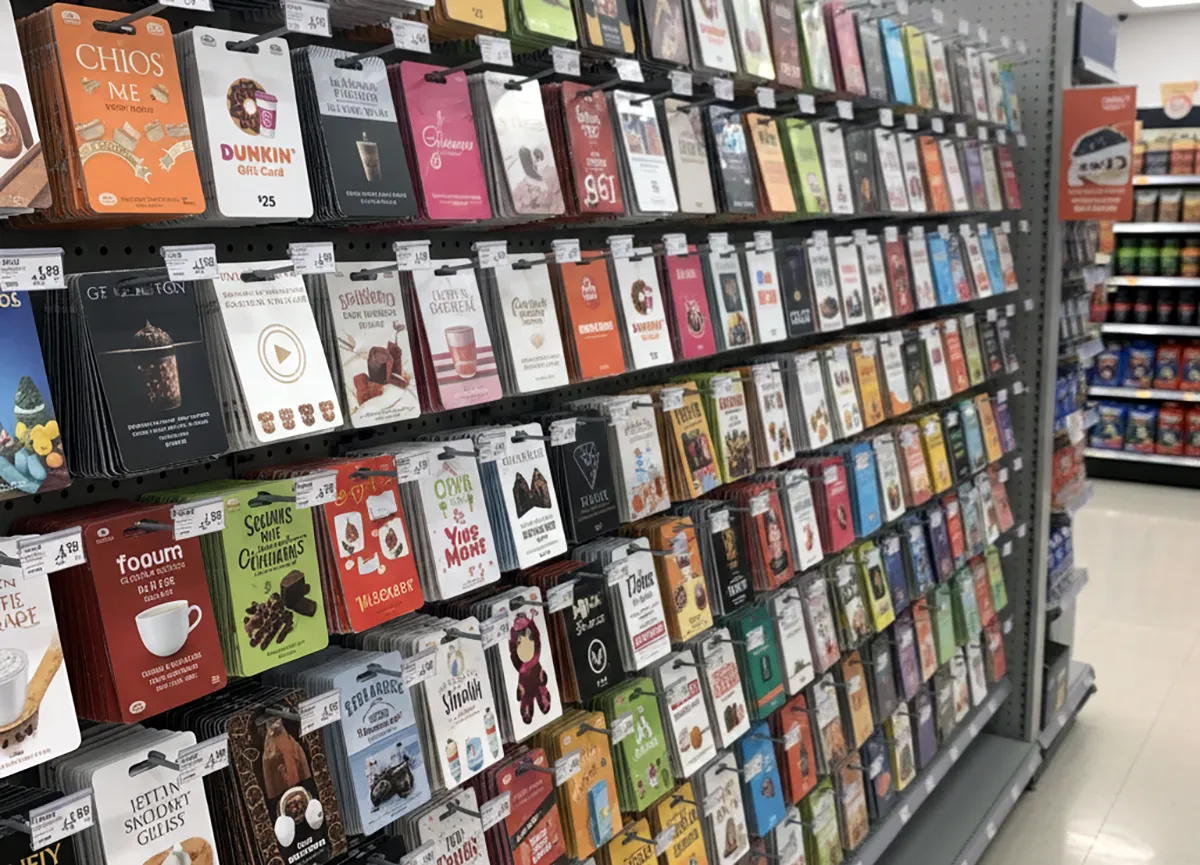
Plan a 12- or 25-day December calendar with daily prizes, clear rules, and simple entry steps.
A holiday giveaway calendar is a December series that reveals one prize or free item each day. To build one, pick 12 or 25 days, assign one prize and one entry action to each day, then publish daily with written rules and a winner list. Shoppers saw both lengths in 2026.
7-Eleven ran Dec. 1-25 with a different free item daily for Gold Pass members with a $20 or more 7NOW Delivery purchase, according to the 7-Eleven holiday release. Boost Mobile ran 12 daily drawings Dec.
10-21, with entries at its contest site through Dec. 20, according to the Boost Mobile holiday announcement.
Verification note: Program terms and availability can change. This page was checked against linked sources on November 24, 2026.
Should you run 12 days or 25 days?
Choose the length you can stock with real prizes. A 25-door calendar fits Dec. 1-25 and suits small daily treats.
A 12-door calendar fits a shorter push and suits larger drawings. Match prize value to length. More days means lower cost per day, such as a drink, snack, or sample.
Fewer days let you offer bundles, gift cards, or one grand prize at the end. Set start and end dates before you announce. Boost Mobile accepted entries through Dec.
20 for drawings ending Dec. 21. Publish cutoff times and time zone with each day.
What goes behind each door?
Give each day one prize, one action, and one deadline. The action can be enter a form, comment, watch, or place a qualifying order. Keep it the same across days so readers learn the habit.
List limits beside each benefit. Note account or membership needed, age or location limits, purchase minimums, one entry per person, and how to redeem. For 7-Eleven, the daily item required Gold Pass membership plus a $20 or more delivery order.
Separate a chance to win from a set benefit. A drawing offers entry for a later selection, not an item for every entrant. State prize quantity, model or value, and whether winners choose color, size, or alternate.
- Assign Day 1 through Day 12 or Day 25 in a sheet
- Write prize name, quantity, value, and redemption method
- Write entry action, start time, and end time
- Add backup prize if a size or flavor runs out
What rules must you publish?
Write rules that disclose eligibility, entry method, start and end dates, sponsor name, prize details, winner selection, and odds, as described in FTC truth-in-advertising guidance. Post them before Day 1 and link them from every entry post. Keep claims truthful and match what you can deliver.
Require disclosure when entry asks entrants to post about your products. The chance to win counts as a material link to the sponsor. Tell entrants to add a clear contest hashtag or statement in the post.
Keep daily posts consistent with the rules. If rules say one entry per day, do not award extra entries for added tags. Save screenshots, entry counts, selection records, and winner names.
How do you run daily posts and reminders?
Publish one door at a time by post or Story. Use the same time each morning and label Day 1, Day 2, and so on. Close each door on time, then point readers to the next day.
Follow platform rules for promotions on Facebook and Instagram. Meta requires legal compliance, published rules and eligibility, a release of Meta, acknowledgment that Meta does not sponsor the promotion, and no required sharing, reposting, or tagging, as stated in the Meta Pages, Groups and Events policies. Ask for a comment, form entry, or Story reply instead.
Treat email reminders as commercial mail. Use accurate headers and subject lines, identify the sender, include a valid postal address, offer a working opt-out, and honor opt-outs within 10 business days.
What do winners need to know?
Pick winners as the rules state and publish names on schedule. Confirm eligibility, age, location, and entry date before you announce. Keep alternates in case a winner does not respond.
Tell winners that U.S. prizes and awards are generally gross income under federal tax law. State that winners owe any tax and that prizes over $600 often trigger 1099 reporting.
Link the rule to the federal prize-income statute.