Holiday Gift Card Apps: How to Compare the Fine Print
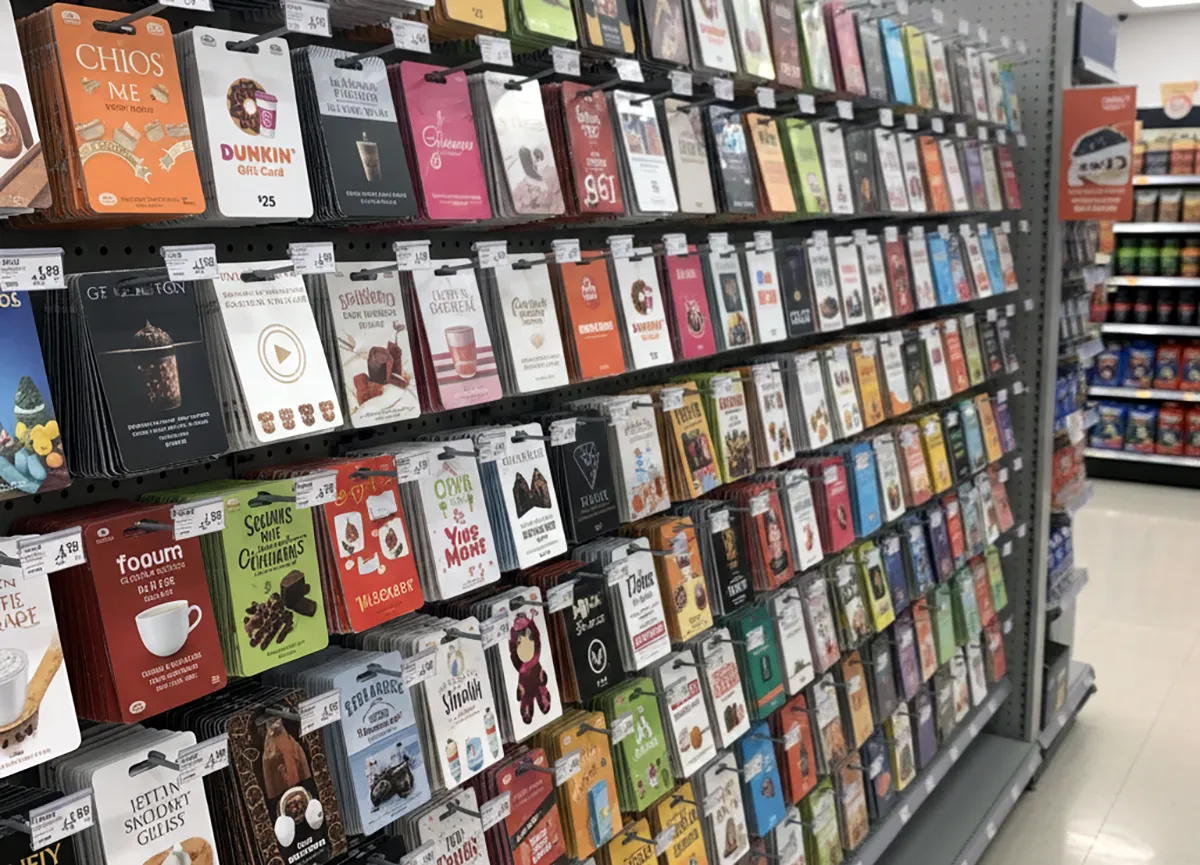
Compare expiration, monthly fees, replacement cost, and cash-out rules before loading holiday gift balances.
Compare expiration length, fee triggers, replacement rights, and cash-out rules before you load money into a holiday gift card app. A gift card app is a phone wallet or card account that stores a prepaid gift balance for spending in stores or online. Federal rules set a five-year floor, but state rules and card agreements decide what you actually keep.
A quick scan of those four terms shows which card holds value longest for your recipient.
Verification note: Program terms and availability can change. This page was checked against linked sources on November 03, 2026.
How long will the money last?
Federal law bars sale of a gift certificate, store gift card, or general-use prepaid card that expires sooner than five years after issuance or the last load, according to the Consumer Financial Protection Bureau in the CFPB prepaid expiration guidance. That protection covers holiday buyers and recipients nationwide. The plastic may show a shorter "valid thru" date.
The Consumer Financial Protection Bureau says recipients should not treat that printed date as loss of money when funds remain available, because the issuer must provide a free replacement card. Even inside that window, unused balances can transfer to the state as unclaimed property after the state dormancy period, commonly three to five years. The Consumer Financial Protection Bureau notes covered cards must still be honored for at least five years.
What fees can reduce the balance?
Issuers may charge dormancy, inactivity, or service fees only after 12 consecutive months without use, only once per month, and only when the fee is clearly disclosed on or with the card, according to the Consumer Financial Protection Bureau. Look for that disclosure before you buy, and note what counts as use. One wallet-app card agreement from issuer Pathward shows how those charges add up, described in the ManageMyCard gift-card terms.
It lists up to a $6.95 third-party activation fee at purchase, a $4.95 monthly maintenance fee starting the 13th inactive month, and a $6.95 replacement fee. That same agreement shows a simple avoidance step: use the card at least once per year. Compare these points across apps:
- activation fee at purchase and who collects it
- months of inactivity before monthly charges start
- replacement or reissue fee for lost or expired plastic
- what activity resets the inactivity clock
Does your card include error-resolution rights?
Gift cards typically do not carry the 2019 prepaid-account protections. The Consumer Financial Protection Bureau says registered reloadable prepaid, payroll, and certain government-benefit cards have error-resolution and account-information rights. App shoppers should check which product they hold before loading a large amount.
A single-use holiday gift balance and a reloadable spending account may look alike in a wallet display. If dispute rights matter, keep the purchase receipt, card number, and agreement. Those records help when you ask for a replacement card or question a deduction.
Do state rules add extra time or cash?
New York requires gift cards bought on or after Dec. 10, 2022 to stay valid for nine years, according to the NY Unified Court System library guide in the New York gift-card FAQ. The same guide says New York bans activation, dormancy, service, and similar fees, lets holders take balances under $5 in cash, and allows a one-time activation fee up to $9 on multi-merchant cards.
California bars expiration dates and service fees on most store gift cards. Under SB 22 effective Apr. 1, 2026, California requires cash redemption of balances under $15, up from $10, for physical and electronic cards, according to Morgan Lewis in the California gift-card threshold update.
Check the recipient's state before you choose plastic, electronic, store-only, or multi-merchant form. Save the terms screenshot and spend or reload before long inactivity to keep small balances from drifting to unclaimed property.
Frequently Asked Questions
Does a "valid thru" date mean the money is gone?
Not always. If underlying funds remain available, the issuer must provide a free replacement card.
When can monthly fees start?
Only after 12 consecutive months without use, only once per month, and only when clearly disclosed on or with the card.
Can small balances be taken in cash?
It depends on state law. New York allows cash for balances under $5, while California requires cash redemption for balances under $15 starting Apr. 1, 2026.