Gift Cards vs Cash Gifts: What Holiday Shoppers Prefer
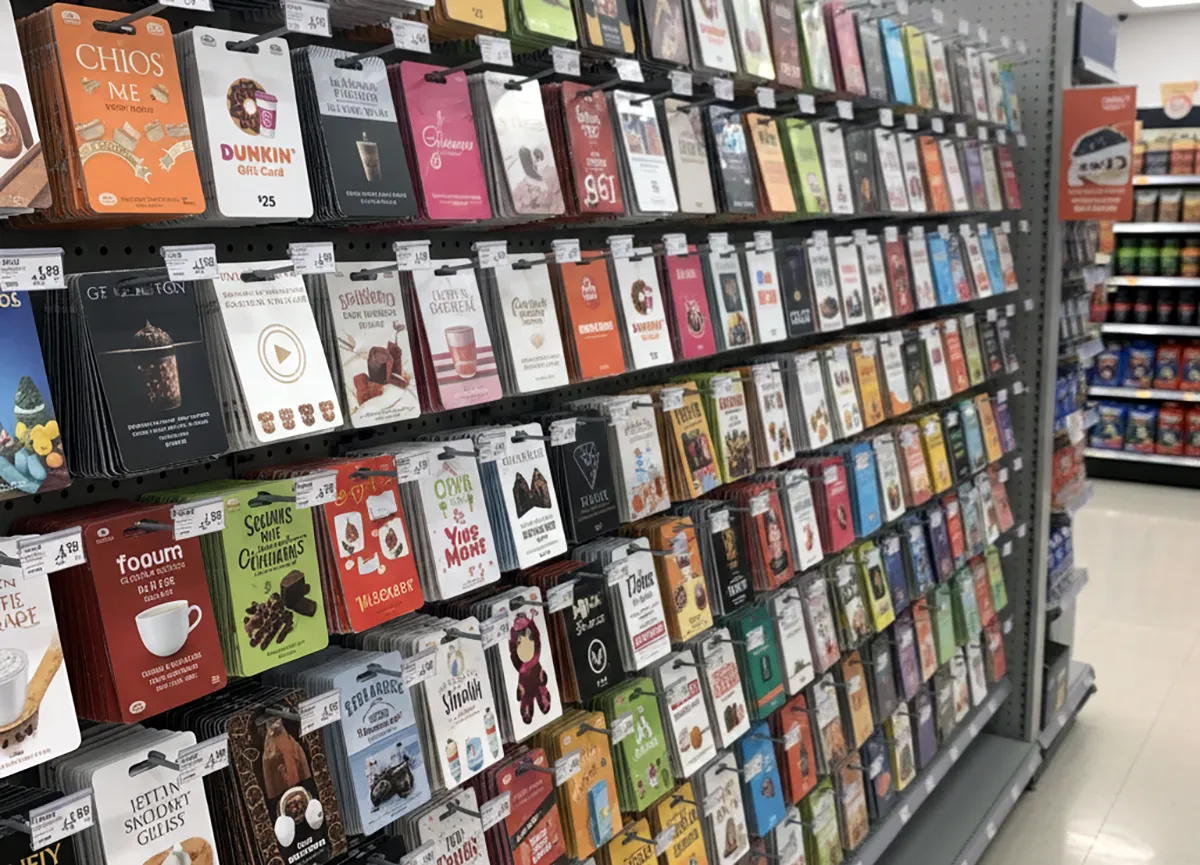
Compare gift-card demand, cash appeal, fees, and unused balances to pick the holiday gift that gets used.
Holiday shoppers prefer gift cards to give and to request, while cash keeps a narrow lead when people say what they would rather receive. A gift card here means a prepaid card or certificate redeemable for goods at a named store, restaurant, or payment network. The National Retail Federation reported that 43% of shoppers planned to buy at least one gift card for the 2025 holidays, with total spending expected at $29.1 billion, according to the NRF Thanksgiving-weekend forecast.
That demand sits beside a split in giver and receiver tastes. A Saint Leo University poll found 41% preferred receiving $25 in cash, versus 30% choosing a $25 gift certificate.
Verification note: Program terms and availability can change. This page was checked against linked sources on November 02, 2026.
How shoppers choose at the holidays
Gift cards are a routine part of holiday lists. The National Retail Federation found 53% of adults requested gift cards in its 2024 survey of 8,191 adults, the most-requested wish-list item that year, according to the NRF holiday spending report. The result points to choice as the draw.
Receivers can pick size, flavor, or timing. Cash appeals for a different reason. It works anywhere, needs no return desk, and carries no store limit.
In the Saint Leo poll of 1,002 adults, more people picked $25 cash to receive, yet more picked a certificate to give. Givers may want a present that feels planned. The gap matters for December decisions.
Give a gift card when the person has a clear store habit. Give cash when needs vary or stores are far away.
Which gift cards get picked
Restaurant cards lead the category mix. The National Retail Federation found restaurant cards at 30%, followed by department-store and bank-issued cards at 25% each. That spread covers meals out, clothing runs, and places that accept the card network.
The pattern helps narrow a crowded rack. A restaurant card suits a couple, a commuter lunch spot, or a family dinner. A department-store card suits clothing, home goods, and sale stacking.
A bank-issued card suits a teen, a traveler, or someone with no single favorite shop. Match the card to one real habit. A coffee card fails for a tea drinker.
A mall card fails where parking or distance is hard.
Why tight budgets favor gift cards
Gift cards help shoppers set a firm line. Blackhawk Network found 93% of budget-setters planned to buy gift cards, versus 78% of shoppers without budgets, with average gift spend of $721. The fixed amount caps the purchase before checkout.
They also split well across a long list. A $25 card for a teacher, a $50 card for a sibling, and a cash gift for a parent stay inside one plan. Small amounts still look finished in a card sleeve.
Use them as controls, not filler. List each person, assign an amount, and buy once. Avoid adding extra cards after the budget is spent.
When cash is the stronger pick
Cash wins on freedom and speed. It pays for groceries, transit, bills, school fees, and secondhand buys. It also lets two small gifts combine into one larger need.
It can feel less personal, so add context. Pair it with a short note that names the goal, such as winter boots or car repairs. A plain envelope plus a clear note reads as care.
Keep the amount practical for the setting. Small bills work for children and stockings. Larger bills need a card or envelope that stays closed during travel.
How to avoid waste and loss
Unused value is the main gift-card risk. Bankrate found 43% of adults held an unused gift card or store credit in 2024, averaging $244 per person and totaling about $27 billion unspent, according to the Bankrate gift-card survey. Buy from places the person already visits.
Federal rules add a time cushion. The Consumer Financial Protection Bureau notes that covered gift-card funds must remain valid for at least five years, with no dormancy or service fee until after one year of inactivity, plus disclosures and a one-fee-per-month limit. Save the receipt, note the purchase date, and check the balance in January.
Fraud is the main cash-equivalent warning for cards. Federal Trade Commission Consumer Sentinel data for 2024 recorded 41,120 fraud reports using gift or reload cards, totaling $212 million in reported losses. Never read card numbers to a caller, and treat urgent payment demands as a stop sign.