Gift Card Instant Win Games: How to Spot Real Offers
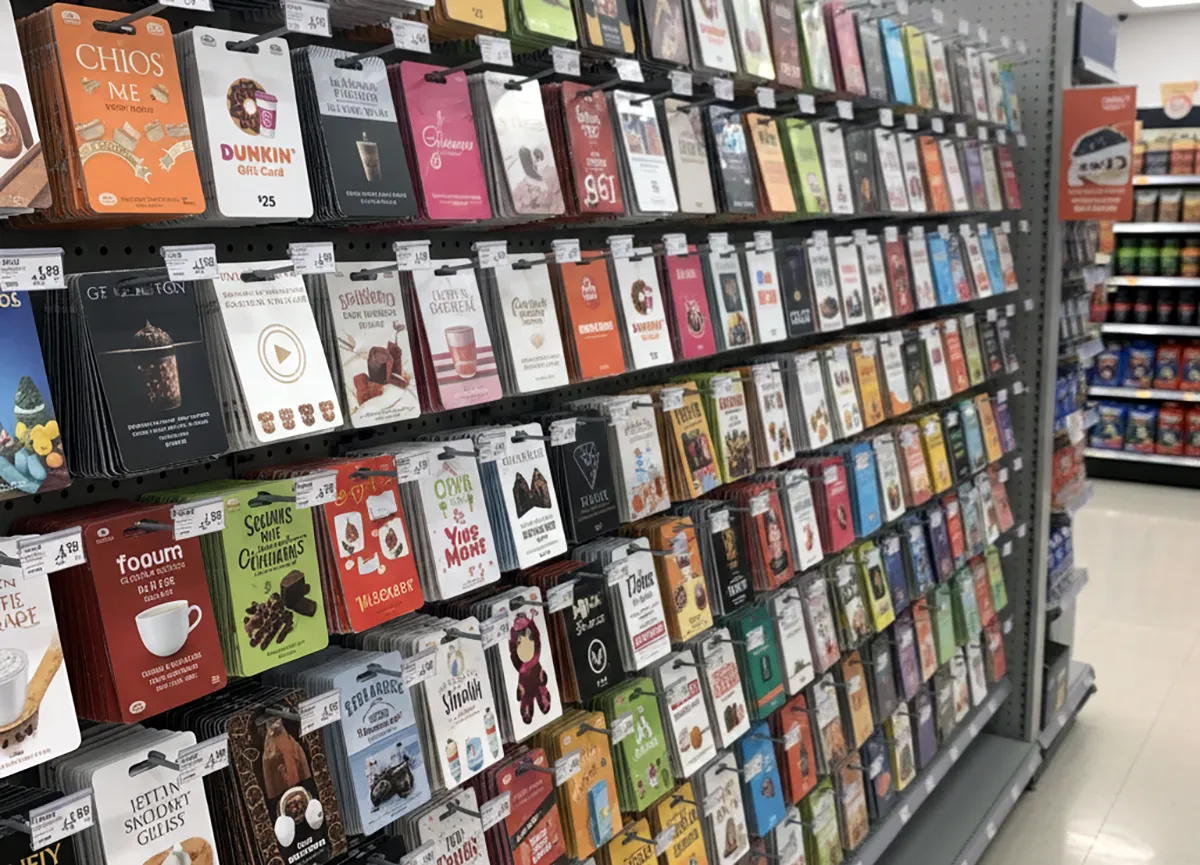
Check free entry, clear rules, and win notices to spot real gift-card games and avoid paying fees for fakes.
A real gift-card instant-win game is free to enter, decided by chance, and backed by written rules you can read before you play. You can spot one by checking for no-purchase entry, a named sponsor, and clear prize, date, and odds details. An instant-win game tells you right after you play whether that entry won, instead of waiting for a later drawing.
Many fake messages copy that style but ask for money, gift-card numbers, or personal data. Use the checks below to sort a real offer from a costly fake before you click, pay, or reply.
Verification note: Program terms and availability can change. This page was checked against linked sources on November 03, 2026.
What a real gift-card game shows upfront
Legitimate U.S. sweepstakes are free and decided by chance. The Federal Trade Commission explains in its guidance on prize scams that payment or purchase cannot be required to enter or improve odds.
A real promotion publishes a readable rules document. The Association of National Advertisers notes in its guidance on sweepstakes rules that it names the sponsor, address, and eligibility rules. It also lists entry dates, prize description and approximate retail value, selection method, and odds.
Mail offers must also state clearly that no purchase is necessary. According to the Association's summary of federal mail-promotion law, buying does not improve chances. No purchase necessary means you can enter without buying, while a chance to win still means most entries do not win.
Which warning signs mean walk away
A demand for money before you can collect is the clearest stop sign. The U.S. Postal Inspection Service warns that fees, taxes, shipping charges, or required purchases block real claims.
Real prizes are free to claim. Only scammers tell you to buy a gift card and share numbers off the back. The Federal Trade Commission states in its advice on gift-card scams that no real business or government agency demands gift-card payment.
Treat rush tactics and secret steps as disqualifiers. A real offer lets you read the rules, check dates and eligibility, and enter without paying. If you cannot find the sponsor, rules, or prize value, do not proceed.
- Asks you to pay a fee, tax, or shipping charge to release a gift card.
- Asks you to buy something to enter, claim, or improve odds.
- Asks you to buy a gift card and share numbers off the back.
- Pressures you to click a link, reply fast, or share bank or personal data.
Did you really win? Verify unexpected win notices
You cannot win a contest you did not enter. The Michigan Attorney General's consumer guidance says an unexpected gift-card instant-win call, text, email, or social message needs independent checks. Use the sponsor's known site or rules document, not contact details from the message.
Walmart says it does not notify contest winners by text message. An unsolicited text claiming a Walmart gift-card win, or asking for payment or personal data, is not from Walmart, according to Walmart Fraud Alerts. Open a fresh browser tab and type the sponsor address yourself.
Find the promotion name, dates, and prize list in the rules. If the message prize, sender, or link does not match, treat it as unproven and do not click.
What to do when a message looks wrong
Do not click message links, pay, or share card numbers and personal data. Pause and keep the message, link address, and any card and receipt if money already changed hands. Save the card, receipt, message, and web address.
Report the incident to the gift-card company and law enforcement. File prize scams through the FTC ReportFraud portal for prize scams, as the Federal Trade Commission directs, rather than clicking message links. If you already shared gift-card numbers, contact the card company at once with the receipt and numbers.
Ask about holds, keep the police or FTC report number with your records, and watch for follow-up demands.