Gift Card Balance Checks: Why You Should Do This in January
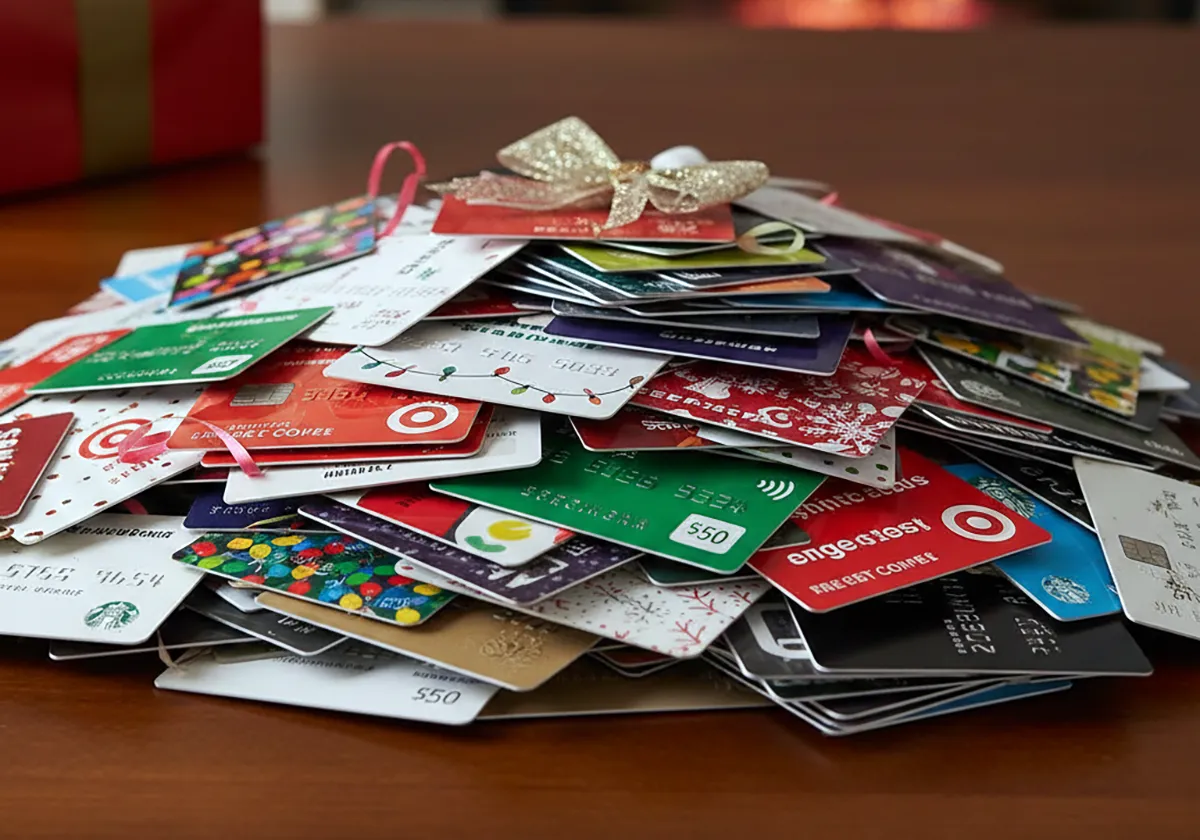
January balance checks catch draining, stop fees, and turn forgotten gift cards into planned spending.
Check gift card balances in January to protect holiday value and use every dollar sooner. A balance check means looking up the funds left on a store or general-use card, and January brings the largest pile of new cards. Holiday gifting creates that backlog.
According to the National Retail Federation in a December 2025 holiday update, 43% of shoppers planned to buy at least one gift card. Total holiday gift-card spending was expected near $29 billion. A Bankrate/YouGov survey also found 43% of adults held unused value averaging $244 per holder.
Verification note: Program terms and availability can change. This page was checked against linked sources on November 28, 2026.
How much value sits idle?
That unused share is easy to forget. Cards land in drawers, inboxes, and coat pockets after the holidays. Small balances look unimportant, so they wait while daily spending continues elsewhere.
January turns that pile into a usable list. Write down each card, its store, and its claimed amount. Sort by near-term needs like groceries, fuel, pharmacy, and clothing.
What can a January check reveal?
The Better Business Bureau describes gift-card draining as in-store copying of card data, balance monitoring, and theft after holiday activation. A thief uses the copied number and PIN once the card gains value at checkout. A January check surfaces a zero or short balance close to the purchase date.
Timing helps your next step. You still have the receipt, the giver remembers the store, and transaction records are fresh. Waiting months makes that trail harder to rebuild.
How do you check without risking the balance?
Fake balance-checker sites copy store branding, collect card numbers and PINs, and drain balances. Bitdefender notes in a November 2026 balance-check warning, citing AARP's February 2025 warning, that checks should use only the retailer's own site, app, or phone number. Use the contact printed on the card itself.
- Type the retailer's address yourself instead of clicking a search result.
- Never enter the card number and PIN on a coupon, prize, or balance-check portal.
- Keep the card and PIN private until checkout, then spend or save the confirmation.
What do expiration and fee rules allow?
Federal law preserves the funds longer than many shoppers expect. The National Conference of State Legislatures explains in its federal gift-card rules summary that money on most store and general-use cards cannot expire sooner than five years after issuance or the last reload. Fees follow a separate clock.
The same summary notes dormancy, inactivity, or service fees are generally allowed only after 12 months with no transactions. January starts that awareness early, while state cash-redemption and unclaimed-property rules vary by place and balance.
What if the balance looks wrong?
Act fast and keep the evidence together. The Federal Trade Commission says in its gift-card scam guidance that people who paid or lost value in a gift-card scam should keep the card and receipt, contact the issuer at once to seek recovery, and report to the FTC at ReportFraud.ftc.gov. Do these steps in order.
- Photograph the front and back of the card, plus the receipt.
- Call the issuer number on the card and ask about holds, errors, and recovery.
- File the FTC report with dates, amounts, and the store name.