Gift Card Balance Checks Before Christmas: Why It Matters
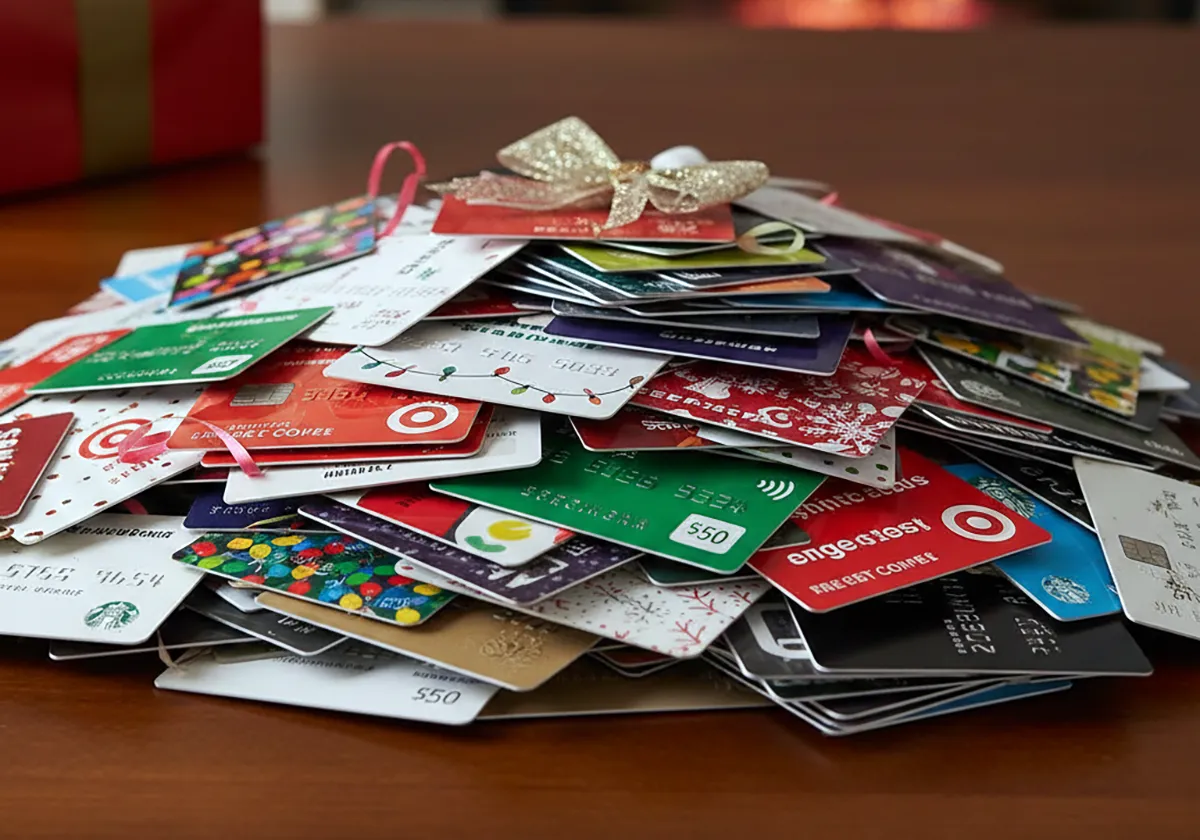
Check unused gift cards now to recover holiday spending power and catch fees or tampering before you shop.
Checking gift card balances before Christmas matters because unused cards hold real spending power you can apply to holiday gifts. A quick check also reveals fees, tampering, or missing value before you give or spend a card. A balance check means confirming the remaining value on a gift card, voucher, or store credit.
Doing it in late November leaves time to replace a damaged card, use partial balances, and plan purchases.
Verification note: Program terms and availability can change. This page was checked against linked sources on November 23, 2026.
How much unused value could you have?
About 43% of U.S. adults held at least one unused gift card, voucher, or store credit averaging $244 per holder, totaling about $27 billion nationally, according to a Bankrate/YouGov survey fielded Aug. 19-21, 2024, described in the Bankrate unused gift cards survey.
That makes a drawer search worth doing before holiday shopping. Gift cards were also the second-most-popular 2025 holiday gift, with 43% of shoppers planning to buy at least one. Knowing what you already hold helps you avoid buying duplicates and stretch your budget.
Do gift cards expire or lose value?
Federal law bars sale of gift certificates, store gift cards, or general-use prepaid cards expiring sooner than five years after issuance or last load, according to the Consumer Financial Protection Bureau, explained in the Bureau guide to gift card terms. That protection helps Christmas recipients who use cards months later. Issuers may still charge dormancy, inactivity, or service fees, but only after 12 consecutive months without use, only once per month, and only if clearly disclosed.
An older card checked before Christmas may therefore hold less than its face value. A balance check alone does not count as activity and does not extend expiration or stop fees. Over one-third of holders have lost value through expiration, lost cards, or retailer closure, so a check is a starting point, not preservation.
How can you avoid tampered cards in stores?
Criminals tamper with racked cards, copy numbers and PINs, then drain balances after purchase, according to U.S. Immigration and Customs Enforcement, Homeland Security Investigations. Buyers should inspect packaging and scratch-off covers and choose another card if damaged.
Use this quick scan at the rack: Keep new cards separate from cards you plan to regift. A card with scratched covering or a wrinkled package is better left in the store.
- Pick a card from the back or middle with intact packaging.
- Reject bent packaging, torn seals, exposed PINs, or mismatched barcodes.
- Keep the store receipt with the card until the balance is spent.
How should you check a balance safely?
Verify balances only through the retailer's own website or app or the toll-free number printed on the card. Keep the card and store receipt, and promptly report missing value to the issuer and at ReportFraud.ftc.gov, following guidance from the Federal Deposit Insurance Corporation. Anyone demanding payment by gift card and asking for numbers off the back is always a scammer, according to the Federal Trade Commission, noted in the Commission alert on gift card payment scams.
No real business or government agency seeks payment that way. Do not trust balance-check links in unexpected texts or emails; type the retailer address yourself or use the number on the card.