Free Trials to Cancel Before Your Credit Card Bill Hits
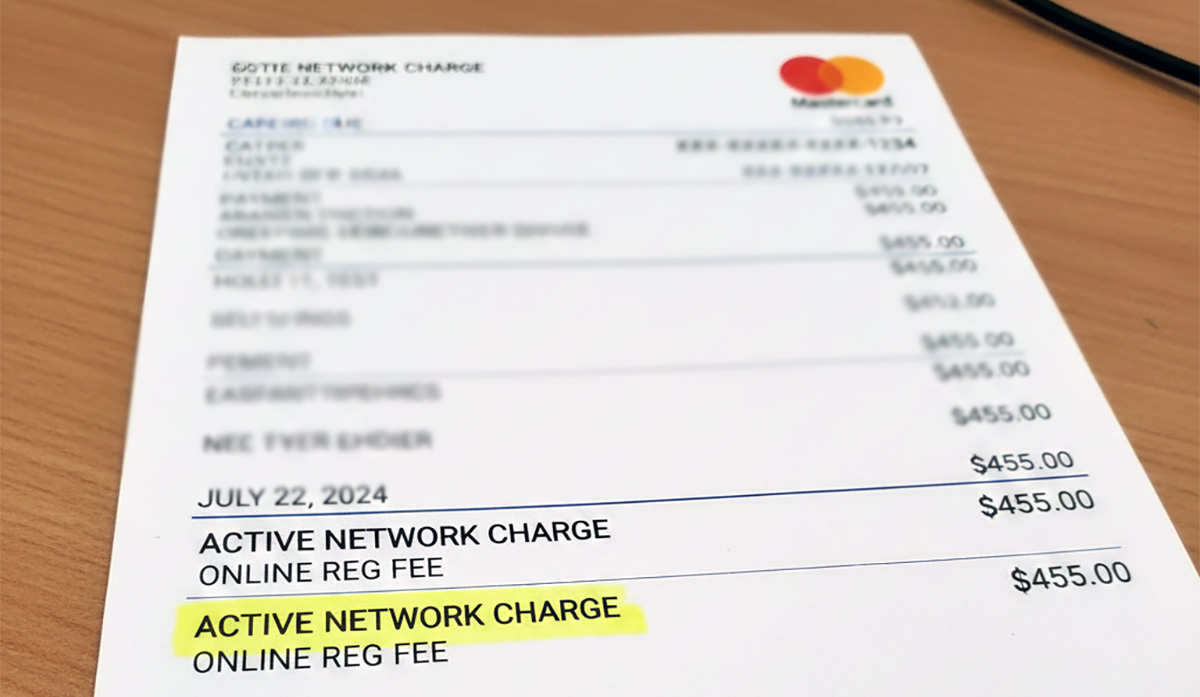
Track trial end dates, cancel in the right place, and use bank and card protections if a charge posts.
Cancel any free trial that took your card details before the stated trial end date. That kind of offer is a free-to-pay negative option, where staying silent counts as agreement to pay. The charge can post automatically if you miss the cutoff.
The Federal Trade Commission describes this model as treating silence as consent to charge in its enforcement policy statement. Mark the end date when you sign up.
Verification note: Program terms and availability can change. This page was checked against linked sources on November 27, 2026.
Why staying silent turns into a bill
A seller uses a negative option when it plans to charge you unless you act. For free-to-pay trials, the trial period ends and paid billing starts without another yes from you. Federal consumer law still sets limits.
An online seller must clearly disclose material terms before collecting billing information, obtain express informed consent, and offer a simple way to stop repeat charges, according to the FTC in its recap of risk-free trial enforcement. The broad federal Click-to-Cancel rule did not take effect. It was vacated in full on July 8, 2025, days before its July 14 effective date.
A new FTC proposal process began in March 2026, so no replacement rule exists yet.
What to check before you join
Read the offer terms before entering card details. Look for trial length, first charge date, billing amount and frequency, and cancellation method. FTC consumer advice warns that most card-based trials will charge you if you do not cancel on time, with key terms sometimes in fine print in its guide to getting in and out of free trials.
Save a copy of the terms page or confirmation email. Note whether cancellation happens with the seller, an app store, or both. Note time zones, business hours, and whether phone, chat, or account settings control cancellation.
How to cancel before the card is charged
Cancel in the place that controls billing, not just where you used the product. Deleting an app from a phone generally does not stop billing. Keep the seller confirmation with the date, amount, and cancellation reference.
If support says the request is pending, ask for written confirmation and the effective stop date.
- Find the trial end date and set a reminder one or two days earlier.
- Cancel through the seller account page or the app-store subscription page tied to the purchase.
- Follow every screen to the end and save the confirmation number or screenshot.
- Check statements for the next cycle to confirm no charge posted.
What to do if a charge still posts
Contact the seller first and ask for correction or refund. Keep names, dates, and reference numbers from that request. For bank-account debits, tell the company you revoke authorization and separately tell your bank or credit union.
Follow up in writing and keep contact records. Stopping payment alone does not erase an amount owed under the contract. For credit cards, act quickly after asking the seller.
Send a written dispute to the card company within 60 calendar days after the first statement showing the charge to preserve federal billing-error rights.