Free Samples That Charge Shipping: How to Tell a Real Offer From a Paid Trial
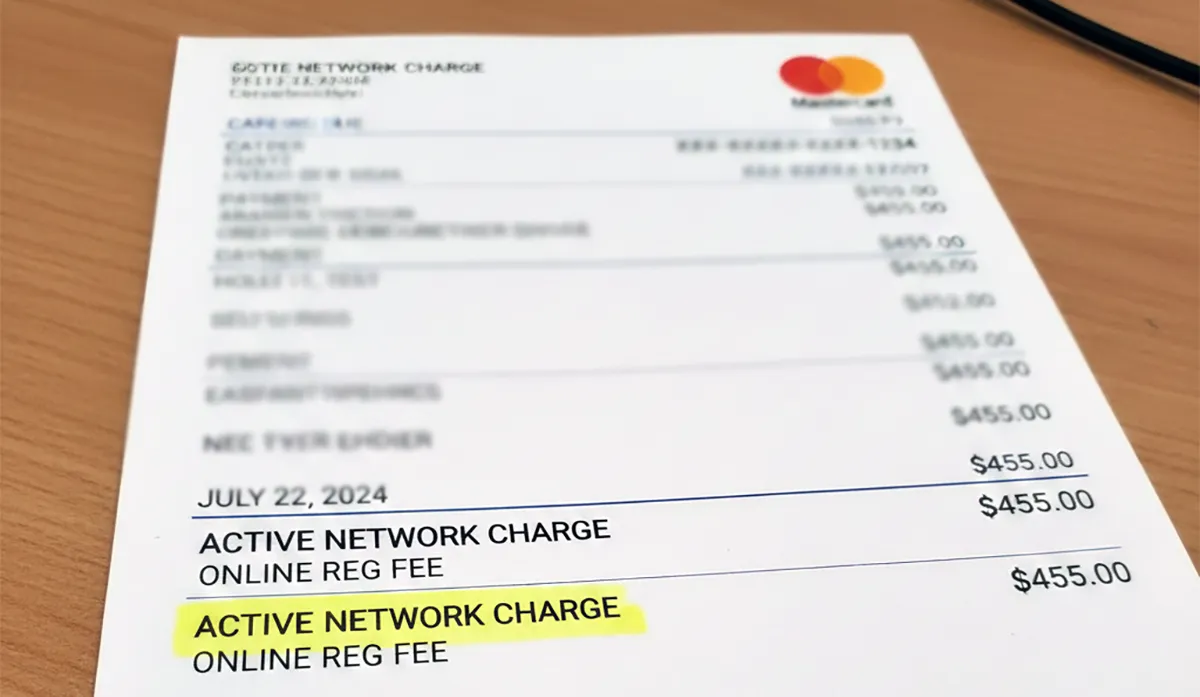
Spot shipping-fee trials, read auto-renewal terms, and stop repeat charges before they start.
A real free sample lets you receive and keep the item without required payment and with all conditions stated up front. A paid trial asks for a shipping fee or card number and may add later charges unless you cancel. Shipping does not always mean an offer is unfair.
It can still change the math and hide a continuity plan. This guide shows how to spot the difference before you pay.
Verification note: Program terms and availability can change. This page was checked against linked sources on September 30, 2026.
What "free" has to include
A negative option is an offer where a seller treats silence or failure to cancel as consent to charge. The Federal Trade Commission explains in its consumer advice on free trials that a common form is a free-month product box that converts to paid shipments until canceled. For the word "free," the standard is stricter.
The Federal Trade Commission states in its guide on use of the word "free" that sellers must disclose clearly at the outset all terms for receiving and keeping the item. The disclosure must leave no reasonable chance of misunderstanding. That is why the practical test is "Free means free." If payment is required to get the item, treat it as a purchase or trial.
A grocery-delivery case involving "free delivery" plus added service fees shows how extra fees can undercut a free claim.
How a sample becomes a subscription
Many charge-shipping offers are trial-plus-continuity offers. You pay a small amount now, the seller keeps your card, and lack of cancellation becomes consent for full-price shipments. Federal Trade Commission consumer advice warns that such businesses are best avoided when free requires payment.
A past enforcement action shows the pattern. The Federal Trade Commission reported in its 2018 press release on deceptive trial offers that marketers of Wrinkle Rewind, Test X Core, and similar products charged full price and enrolled buyers in expensive continuity plans without knowledge or consent. Federal online-sales law adds three protections for these offers.
Sellers must disclose all material terms before collecting billing information, obtain express informed consent before charging, and provide a simple way to stop recurring charges. One limit matters now: a 2024 broader click-to-cancel expansion was vacated in 2025 on procedural grounds, while new rulemaking began in March 2026.
What to check before you share card details
Read the offer as a paid-trial screening. Look past the headline and find who charges what, when, and how cancellation works. Assume silence will be read as consent unless the terms say otherwise.
If those answers are missing, vague, or buried below the payment button, pause. A real sample states the limits beside the benefit, including quantity, date, and redemption steps.
- Does "free" mean the product, shipping, and taxes are zero?
- What happens after the trial days end, and at what price?
- Is there a recurring shipment, membership, or auto-renewal?
- How do you cancel, and does cancellation stop all future charges?
- Is the trial-end date, total cost, and seller contact shown before payment?
Steps if you already paid shipping
Act fast while the trial window is open. Save the terms page, order confirmation, trial-end date, and cancellation instructions. Mark the cancel-by date on a calendar, watch card statements, and search the company name plus complaint for billing patterns.
To cancel, use the seller's stated method and keep proof. Keep a record of the date, agent name, and confirmation number. Check the next two statements for repeat charges or changed amounts.
If a charge looks wrong, dispute it in writing. The Federal Trade Commission advises in its sample letter for disputing charges that billing errors can be sent to the card issuer's billing-inquiries address within 60 days, with unauthorized-use liability generally capped at $50.