Free Sample Packaging Has No Ingredient Label: Where to Verify What's Inside
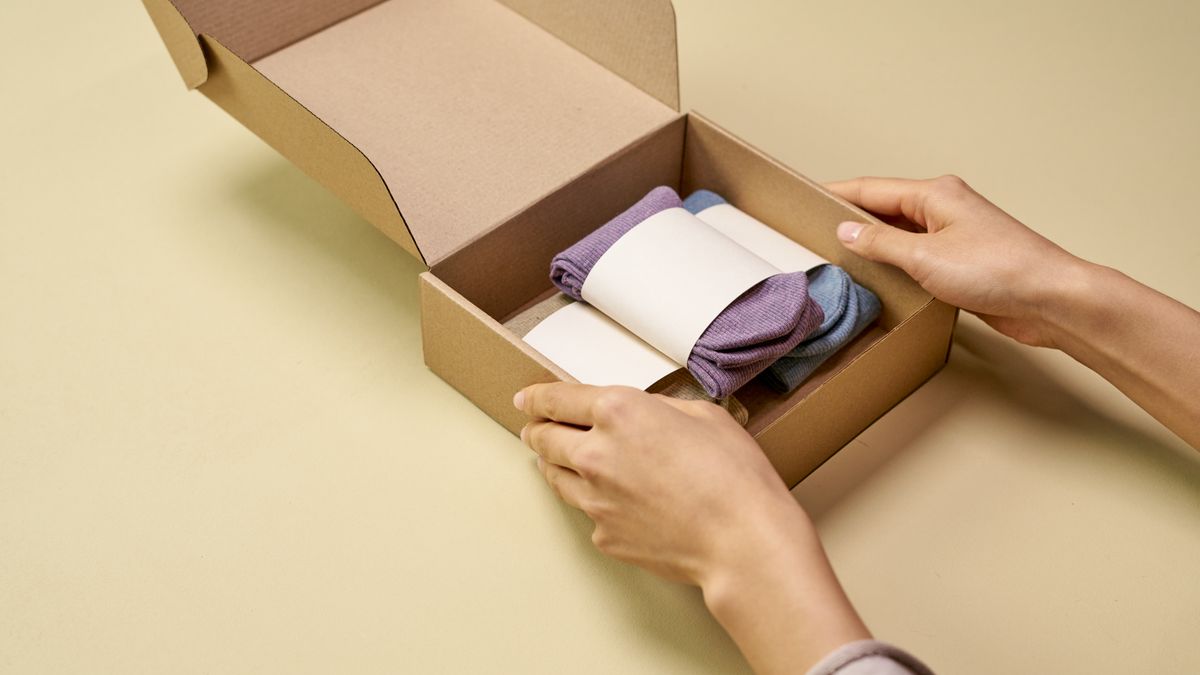
Free cosmetic samples dodge ingredient labels under FDA rules, but you can find what's inside through brand websites, customer service, or free ingredient databases.
Free cosmetic samples often lack full ingredient lists because the FDA exempts small sample sizes from labeling requirements when they are not sold at retail. This exemption lets brands distribute samples through promotions without printing comprehensive ingredient panels, though manufacturers must still display their name, address, net quantity, and any required warnings. If you receive a sample without an ingredients list, you have direct ways to find what's inside before applying it to your skin.
The manufacturer's contact information on the packaging, free online ingredient databases, and retail staff can all provide the details the sample label doesn't show.
Verification note: Program terms and availability can change. This page was checked against linked sources on September 23, 2026.
Why Sample Packaging Often Lacks Ingredient Labels
The FDA's exemption for sample-size products comes from 21 CFR 701.3, which recognizes that full ingredient declarations can be impractical on very small packages. According to FDA cosmetics labeling requirements, cosmetic samples distributed free of charge do not require a complete ingredient list if they are not customarily sold to consumers at retail. When this exemption applies, the sample must still include the product name, manufacturer or distributor information, net contents, and any safety warnings—but the ingredient declaration can be omitted.
This exemption exists specifically to accommodate promotional samples that exist outside the retail marketplace.
When Samples Must Carry Full Labels
The exemption has a critical limit: if a cosmetic is both given away as a sample and also sold at retail in full-size form, the sample loses its exemption and must include a complete ingredient list. This gray area affects many high-street samples. A luxury brand's sample distributed at department stores or hotels may be exempt from labeling, but a widely available drugstore product sold in full size at the same location must carry ingredients on the sample too.
If you receive a sample of a product you've seen for sale in stores, the manufacturer should have provided a label with ingredients—though the sample you received may still lack it due to oversight or older stock.
Contact the Manufacturer Directly
The simplest path to ingredients is often the most direct. Most cosmetic samples display the brand's name and address on the packaging; use that information or visit the brand's website to request the ingredient list. Many brands list sample program details and contact methods on their beauty pages, and customer service teams routinely provide ingredient information to consumers who ask.
Retailers like Sephora and Ulta offer free samples but do not guarantee ingredient labels on the sample itself. Store staff can often look up product information in their systems or direct you to the brand's contact details for ingredient lists.
Search Free Online Ingredient Databases
EWG's Skin Deep cosmetics database contains over 130,000 products searchable by brand name or ingredient. Enter the product name and you'll see ingredients listed in order, plus health ratings for each component and any safety concerns the EWG has identified. Paula's Choice Beautypedia Ingredient Checker rates skincare ingredients using peer-reviewed research to explain what each ingredient does and potential irritancy.
INCIdecoder provides detailed ingredient breakdowns, translating INCI (International Nomenclature of Cosmetic Ingredients) names—the official chemical terms cosmetics must use—into plain language. These tools work even for obscure sample formulations if the product has ever been catalogued.
Scan the Label for What You Can Read
Even without a full ingredient panel, sample packaging often carries clues. Look for the net weight or volume (this confirms it's a sample-size product), any visible ingredient callouts like "paraben-free" or "fragrance-free," and warning statements about sensitivity or sun protection. These fragments, combined with a product name, usually narrow your search enough to identify the full formula in an online database.
Frequently Asked Questions
Is it unsafe to use a sample without seeing the ingredient list first?
The exemption exists for samples that genuinely pose no greater risk than the retail version. If the product has ever been sold at retail, the full formula should be available through the brand or ingredient databases. Patch-test any new product on a small area first, regardless of label.
Do samples from Sephora or Ulta have different labeling rules than pharmacy samples?
Both types are exempt under the same FDA rule if the product qualifies. The retailer does not change the labeling requirement—the product's status as sample-only versus also sold at retail does.
What if I can't find the sample's ingredients anywhere online?
Contact the brand directly with the product name, size, and any batch or date codes visible on the packaging. Brands maintain ingredient records for all formulations they produce.