Free Fabric Swatches vs Fabric Remnants: Which Can You Use for a Project?
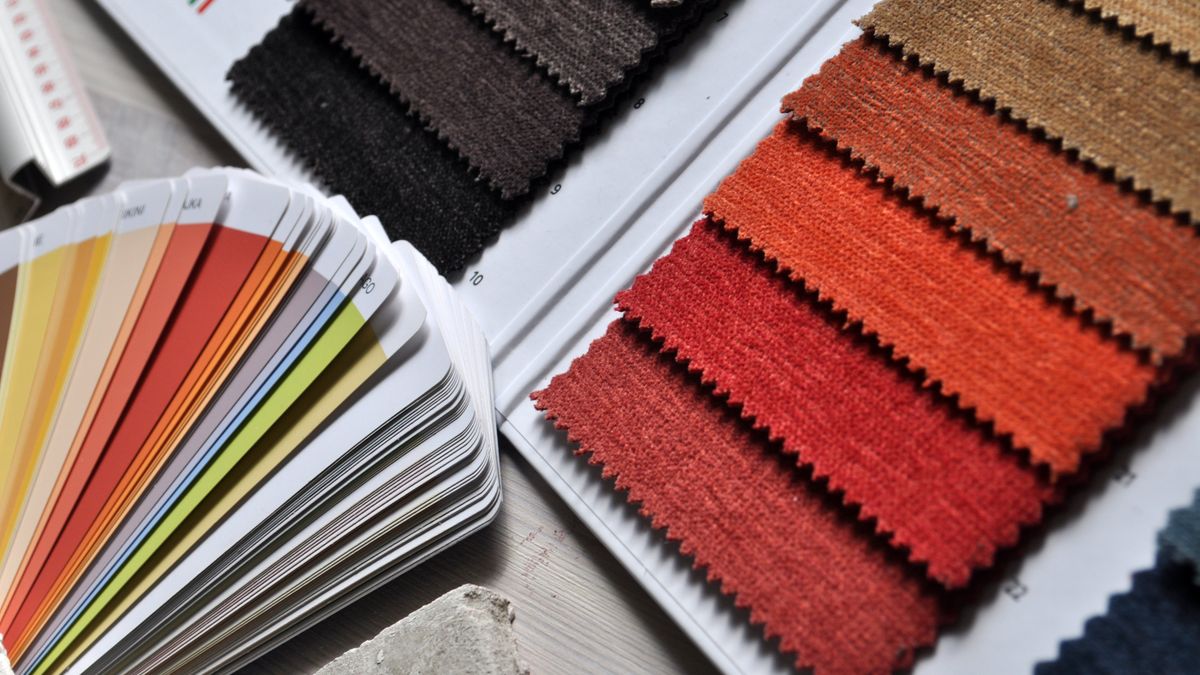
Swatches settle color; remnants build the project. Here are the real sizes, order caps, mounting-card traps, and no-return rules behind each.
Free fabric swatches are for judging color and texture, not for sewing — they arrive at roughly 3"×3" to 4"×4", capped to a handful per order, and often glued to a card. Fabric remnants are the ones you can actually build something from, because they are sold by the half-yard up to five yards of real, loose cloth. The short version: if your "project" is a decision — which sofa, which curtain, which wall color — swatches are the right tool and they are free.
If your project involves a sewing machine, you want remnants, and you should expect to pay for them and to be stuck with what arrives.
Verification note: Program terms and availability can change. This page was checked against linked sources on September 15, 2026.
How big a free swatch actually is
Size is the whole argument. According to Ice Fabrics' explainer on swatch sizing, retailer swatches run about 3"×3" to 4"×4" at the low end, with upholstery swatches topping out around 6"×6" to 10"×10" because heavier patterns and textures need more area to read correctly. Real listings land at the small end of that range.
Lillian August lists its upholstery swatches at 6"×4" — a piece smaller than a postcard. That is plenty to hold against a wall in afternoon light, and not enough to face a throw pillow. Do the arithmetic before you order.
A 4"×4" square is about a ninth of a square foot. You would need roughly eighty of them, seamed, to reach a single square yard of usable cloth.
The per-order and per-week caps
Retailers cap swatch requests, which caps the total area you can accumulate no matter how patient you are. Crate & Barrel's free swatch page allows up to 10 free swatches, CB2 allows five, and Room & Board offers up to 20 fabric and leather samples. Some suppliers cap by time instead.
Modern Fabrics limits requests to four free fabric samples per week, mailed weekly by USPS in a #10 envelope — an envelope size that tells you the samples are small by design. Ten swatches at 4"×4" is about 160 square inches, roughly one square foot, spread across ten different fabrics that do not match each other. That is a color library, not material.
The card, the glue, and the pinked edges
There is a second reason swatches resist sewing: many are not loose fabric at all. Upholstery samples are frequently mounted — glued or stapled to a printed card with pinked, zigzag-cut edges — as the sample-card makers Lennertson Sample and Acme Sample describe in their custom sample work. The cloth you can actually use is smaller than the sample you received.
It is not impossible, just laborious. One quilter documented scrubbing the paper backing off upholstery and curtain samples and trimming away the pinked edges before piecing them into a quilt. That is a craft project in its own right, and it shrinks each piece again.
Before you plan around a swatch, check:
- Is the fabric loose, or mounted to a card?
- How much of the piece survives after the pinked edges come off?
- Does the backing come away without leaving glue in the weave?
- Are all your swatches the same weight, or will a heavy upholstery square fight a light cotton in the same seam?
Memo samples are borrowed, not given
One category deserves a separate warning. Trade "memo" samples — the larger cuts designers request from suppliers — are often not yours to keep. Business of Home's report on memo sampling describes return windows of about 28 days, or not more than 30, with charges for late or damaged returns.
That matters because a memo is exactly the sample that looks big enough to sew. Cutting into one can turn a loan into a charge. If a sample came with a return date or a prepaid label, treat it as borrowed property, not a freebie.
What remnants get you, and what you give up
Remnants are end-of-bolt pieces sold at a discount, and the sizes are in a different universe. Mood Fabrics sells remnants from 0.5 yard up to 5 yards of closeout fabric at 50% off — while warning that continuous yardage is not guaranteed, meaning a listed length may not be one unbroken piece. At that scale, furniture becomes possible.
Modern Fabrics sells upholstery and pillow fabric in 1-to-5-yard remnants and notes that 1 yard covers 2 dining chairs, while 3 yards covers a set of 6. The trade-off is finality. Remnants are typically non-returnable, and once fabric has been cut, altered, or washed, it generally cannot be returned at all — a point covered in FabricGuru's explanation of what remnants are and in this rundown of fabric return policies.
A short cut, a flaw near the selvage, or a color that reads differently at home is your problem.
Use them together
The sequence that wastes the least money is swatch first, remnant second. Order free swatches to settle color, sheen, and hand against your actual room and your actual light. Then buy the remnant of the fabric you chose, in the yardage your project needs.
That order also protects you from the remnant's no-return rule. You cannot send back a cut piece you dislike, but you can throw away a 4"×4" square that looked wrong on the wall. Order a few more swatches than you think you need while they are free and capped weekly — and remember that a swatch mailed today tells you about a fabric that may sell out before you get to the remnant page.
Frequently Asked Questions
Can I sew a pillow cover out of free swatches?
Not from a standard order. Ten 4"×4" swatches total roughly one square foot of mismatched fabrics, and mounted samples shrink further once the card and pinked edges come off.
Do free swatches cost anything to request?
The listed programs are free samples rather than purchases, but caps apply — five at CB2, ten at Crate & Barrel, twenty at Room & Board, four per week at Modern Fabrics. Confirm current terms on each retailer's own page before ordering.
How much remnant yardage do I need to reupholster chairs?
Modern Fabrics states that 1 yard covers 2 dining chairs and 3 yards covers a set of 6. Buy extra, since remnant listings may not be one continuous piece.
What if a sample arrives with a return date?
Treat it as a trade memo, not a giveaway. Memo returns commonly run about 28 to 30 days, with charges for late or damaged returns, so do not cut into it.