Do Sweepstakes Winnings Affect Government Benefits or Financial Aid?
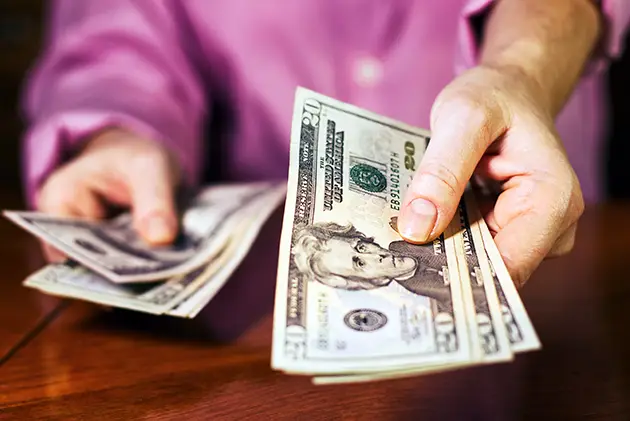
A prize can cut SSI, SNAP, Medicaid, or student aid. See income limits, timing rules, and what to report.
Yes, sweepstakes winnings can lower need-based benefits and student aid. A sweepstakes prize is cash, goods, or travel won by chance, and programs may count it as income or resources. The effect depends on the program, amount, and timing.
Need-based help such as SSI, SNAP, Medicaid, and student aid can change after a win.
Verification note: Program terms and availability can change. This page was checked against linked sources on September 30, 2026.
Do you owe tax on a sweepstakes prize?
Yes. The Internal Revenue Service treats sweepstakes, lottery, and raffle winnings as fully taxable gambling income, including cash plus fair market value of noncash prizes such as cars and trips, as explained in IRS Topic No. 419.
You report the amount on your tax return for the win year. That higher income matters beyond April. Other aid formulas use tax figures later, so a large prize can affect eligibility after the win year.
For example, a $2,000 cash win plus a $15,000 trip counts as $17,000 of income before any costs. Entry fees, travel to claim, or taxes paid do not erase the prize value.
How does a win affect SSI?
The Social Security Administration counts a prize or lump sum as unearned income in the receipt month for SSI, so after the $20 general exclusion it lowers that month's payment dollar for dollar, according to SSI income rules. A $1,020 prize would leave $1,000 of countable income after the exclusion. What you keep can matter the next month.
The Social Security Administration says funds retained past the receipt month count as an SSI resource. A person is ineligible if countable resources exceed $2,000 for an individual or $3,000 for a couple at the start of a month. Spending on food, rent, bills, or debt does not restore eligibility if the remaining countable balance stays over the limit.
Can a win stop SNAP or change Medicaid?
Yes, for SNAP the change can be sharp. The USDA Food and Nutrition Service says a household with substantial lottery or gambling winnings must immediately lose SNAP benefits, as described in the SNAP lottery and gambling Q&A. To regain help, the household must reapply and meet regular income and resource standards.
Medicaid and CHIP use a different test. The Centers for Medicare and Medicaid Services says modified adjusted gross income includes gross gambling and prize winnings, with no subtraction for gambling losses, in Medicaid guidance SHO #19-003. A large gross win can therefore raise MAGI even when the trip or prize brought little cash.
The result varies by household size, state rules, and filing status. A small gift-card win is less likely to shift MAGI than a car, cruise, or five-figure check.
Does student aid change after a win?
Federal Student Aid bases need-based aid on FAFSA income and asset data, including adjusted gross income supplied through the IRS data exchange. Taxable winnings from the prior-prior tax year can therefore raise the Student Aid Index and reduce aid. Timing creates a delay.
A 2026 prize reported on 2026 taxes would feed the FAFSA that uses 2026 tax data, not the next application. Work-based Social Security retirement and SSDI checks work differently. LegalClarity reporting on SSDI versus SSI notes that unearned prizes do not reduce those checks, unlike need-based SSI, SNAP, and MAGI Medicaid.
What should winners on benefits do next?
Act fast and keep paper. LegalClarity reporting advises winners on means-tested benefits to report winnings promptly and keep valuation and tax records to avoid overpayments. Keep copies of every notice and receipt.
If two agencies give different instructions, follow each program's written rule for that program.
- Report the win to each benefit agency by its deadline.
- Save the award letter, Form W-2G or 1099, and prize valuation.
- Ask how receipt-month income and next-month resources apply to you.
- Track spending, balances, and reapplication dates in one folder.