Christmas Giving Catalogs: How Charity Wish Lists Work
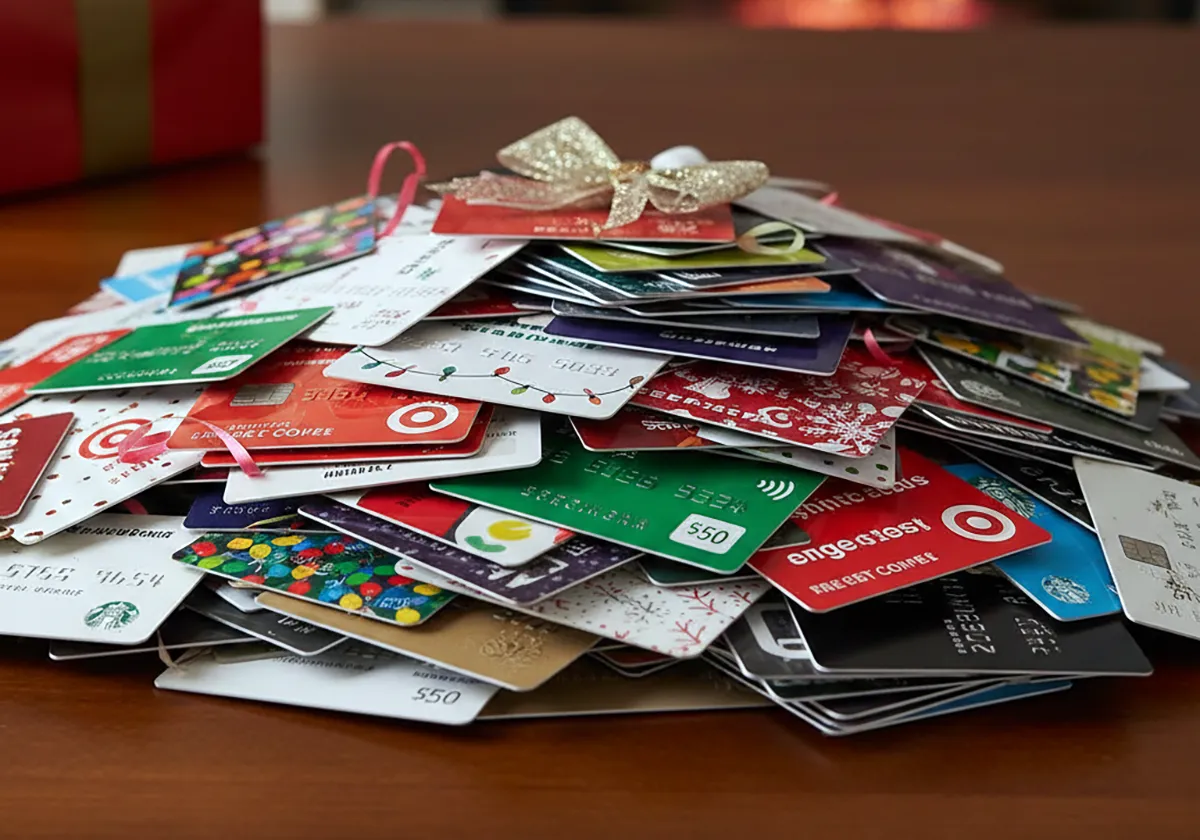
Learn how charity gift catalogs work, what your donation funds, and how tribute cards reach loved ones.
Christmas giving catalogs let you pick an item such as livestock, supplies, or school support and donate its listed price in a friend or family member's honor. That person receives a card describing the gift's impact instead of a shipped package. A charity wish list is that menu of donation options, with set prices and tribute cards for the holidays.
Most gifts are symbolic, so funds support that type of work rather than one tracked animal or object.
Verification note: Program terms and availability can change. This page was checked against linked sources on November 28, 2026.
What does symbolic giving mean?
Oxfam Canada explains that most catalog gifts are symbolic, so a donation represents that type of work rather than buying and delivering one exact animal or object to a named recipient, described in how symbolic giving works. Pooling donations this way lets the charity apply money across community programs. For shoppers, the card image is an example, not a photo of the exact item delivered.
UNICEF USA follows the same model by directing Inspired Gifts funds across more than 190 countries where the need is greatest.
How do you send it as a Christmas gift?
World Vision describes the basic pattern as choosing a catalog item, donating its price in someone's honor, then giving that person a mailed, printable, or emailed card, explained on the World Vision gift guide. Oxfam Canada offers gifts from 22 dollars to 500 dollars with a personalized, scheduled e-card for the honoree. Samaritan's Purse offers honor and memorial gifts, plus blank cards donors can mail themselves.
Printed cards need early-December ordering, while e-cards can be sent the same day.
- Choose a gift or a lower-priced share from the catalog.
- Add the honoree's name and a card message.
- Pick print-at-home, mailed, or e-card delivery.
What choices appear at checkout?
Heifer International lets donors browse the Gift Catalog, add full items or cheaper shares to an online basket, or choose where needed most. Listed payment options include card, PayPal, Venmo, Apple Pay, and other listed methods. Oxfam Canada follows a similar basket flow, with the donation put to work in community programs while the honoree receives the card.
UNICEF USA uses three steps: find a lifesaving supply, dedicate it with an e-greeting or print-at-home card, and UNICEF directs the funds where needed most.
What limits and tax rules apply?
Samaritan's Purse says catalog images only illustrate ministry work, up to 10 percent may support administration, surplus for one project may meet a similar need, and it retains complete control over funds, stated in the Gift Catalog terms. Read that disclosure before treating a catalog photo as a delivery promise. For taxes, the payer rather than the honoree receives any receipt or deduction.
The IRS limits deductible gifts to qualified religious, charitable, educational, scientific, or child and animal-welfare nonprofits under 2025 Publication 526. Keep the payer receipt and check qualified status before claiming a deduction.