Christmas Gift Card Giveaways on Instagram: How to Vet Them
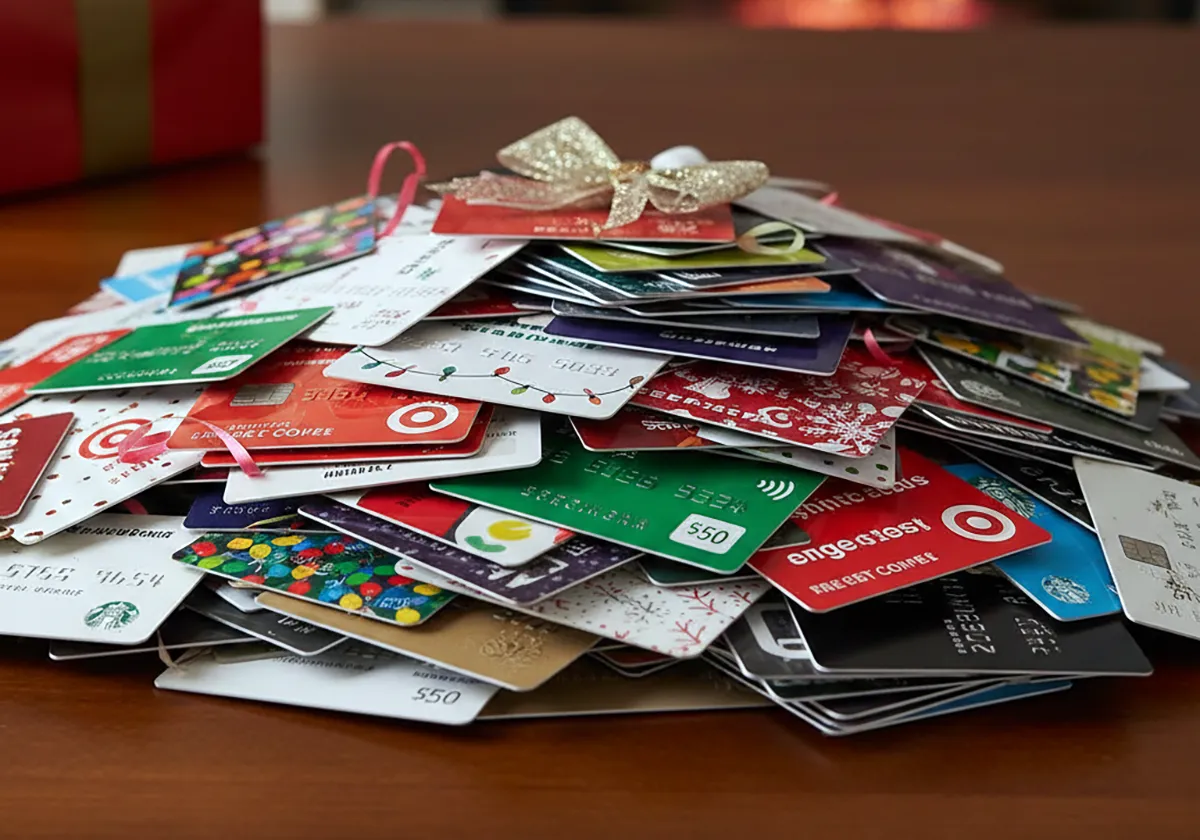
Check rules, account history, disclosures, and payment requests before entering Instagram gift-card giveaways.
Vet a Christmas gift-card giveaway on Instagram by checking its rules, sponsor contact, account history, and any request for payment. A Christmas gift-card giveaway is an Instagram post offering a chance to win store credit. The Better Business Bureau notes that legitimate giveaways publish entry method, eligibility, prize, dates, and winner selection.
A Christmas post without those details is a strong fake signal, as explained in the BBB alert on fake social media giveaways. Use the checks below before you comment, share, or click a link.
Verification note: Program terms and availability can change. This page was checked against linked sources on November 24, 2026.
Does it show clear rules and a real sponsor?
A real holiday giveaway states how to enter, who can enter, what the prize is, entry dates, and how winners are chosen. Look for that information in the caption, a linked rules page, or the sponsor website. A post with only "comment to win" and no dates or sponsor contact deserves skepticism.
Check the sponsor behind the prize. Open the tagged brand account, visit its website, and see if the same giveaway appears there. Holiday shoppers are often targeted by copycat campaigns, so confirmation outside the post matters.
- Entry steps, eligibility, prize value, start and end dates
- Winner selection method and announcement date
- Sponsor name and customer-service contact
- Restrictions on age, location, and number of entries
Does the account look authentic?
Fake Christmas giveaways often use copycat handles, newly created accounts, little posting history, spelling errors, and missing verification marks. The Better Business Bureau lists those patterns as common in holiday impersonation posts aimed at shoppers. Compare the handle letter by letter with the brand account linked from the brand website.
Look at account age and activity. A new account with few posts, few followers, sudden prize posts, and disabled comments is risky. A real brand usually has older posts, replies to customers, and consistent branding.
If friends tag you from an unfamiliar account, pause. Search the brand name yourself rather than following the tag. Enter only from the account the brand itself links to.
Does it ask for money to enter or win?
The Federal Trade Commission states that a prize promotion requiring payment or purchase to enter or improve odds is illegal, as described in the FTC guidance on fake prize scams. Walk away from any gift-card post asking for a fee, shipping charge, tax payment, or purchase. A chance to win is not the same as a guaranteed benefit, and "no purchase necessary" should be stated.
Winner messages need the same test. No real business or government agency tells you to buy a gift card and share the numbers off the back, according to FTC gift-card guidance. The same warning applies to demands for wire transfers, cash-app payments, or crypto.
- Refuse fees for entry, shipping, taxes, or "verification"
- Refuse requests to buy a card and send the code
- Refuse links asking for bank login or card numbers
- Save the message and profile URL before blocking
Is the endorsement and engagement trustworthy?
Instagram gift-card endorsements should show a clear material-connection disclosure when an influencer received payment, free products, or has family ties to the brand. The Federal Trade Commission requires that disclosure in its endorsement guidance for social media. An endorsement without visible disclosure violates those rules and weakens trust.
Watch for like-farming behavior. The Better Business Bureau warns that some posts collect likes, comments, and shares, then are edited to add harmful links or repurposed to sell the page. Interacting boosts that spread even when no money changes hands.
Do not share the post to "unlock" an entry. Do not click a shortened link in comments. If entry requires tagging many friends or reposting repeatedly, treat that pressure as a warning sign.
What should you do if you paid or shared details?
Act quickly if you paid or sent a code. The Federal Trade Commission advises contacting the card issuer immediately using the number on the card, asking about freezing or refund, keeping the card and receipt, then reporting at ReportFraud.ftc.gov, as explained in the FTC guide to gift-card scams. An Instagram report alone does not recover money.
Protect the account you used to enter. Change the password, turn on two-factor authentication, and review connected apps. If you clicked a link, watch for password-reset emails you did not request.
Keep the card, receipt, screenshots, profile name, and message history together. Keep the card and receipt even if the balance shows zero, then report at ReportFraud.ftc.gov.