Checking a Gift Card's Fine Print Before You Buy It
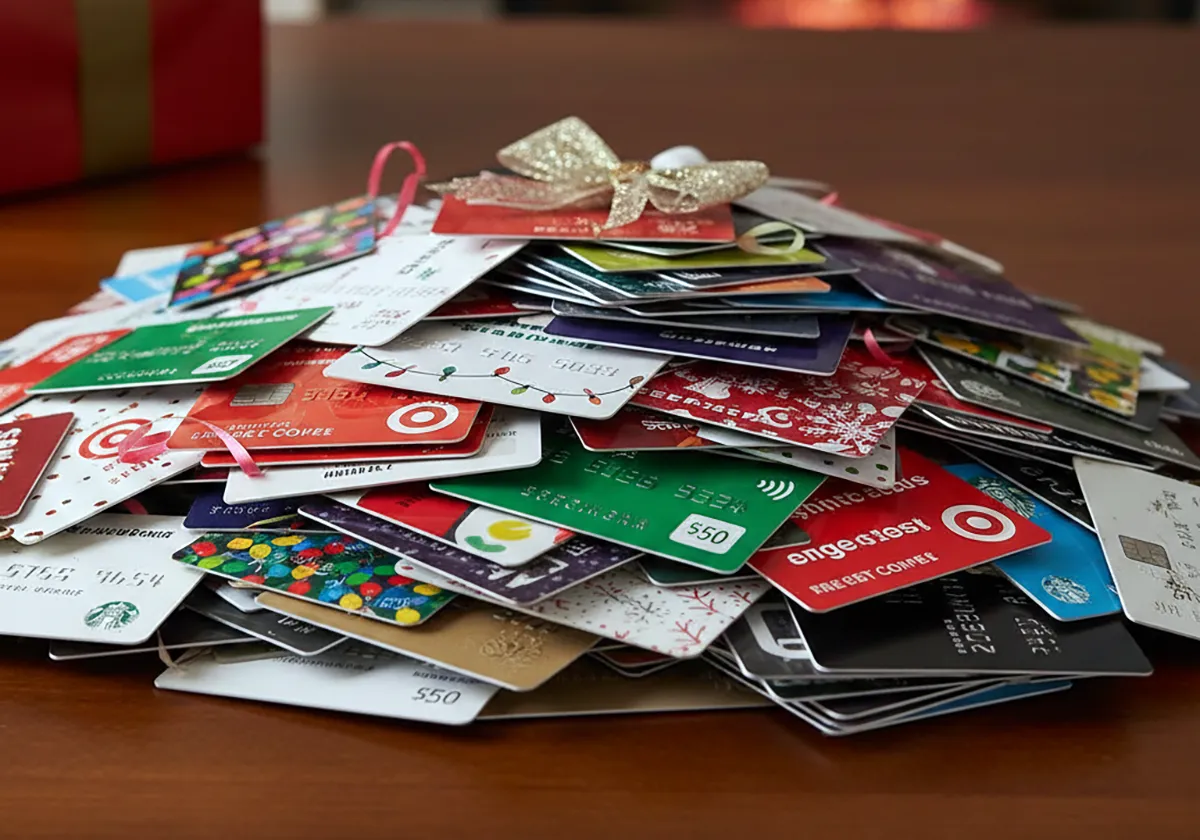
Compare expiration dates, monthly fees, and packaging signs before you choose a gift card at the rack.
Check the expiration date, fees, and replacement terms printed on or with the card before you buy it. Compare those details across cards at the rack and choose terms that fit how the recipient will spend it. A gift card holds prepaid funds for use at one store or, with a bank logo, at many places that accept that network.
The fine print sets how long the funds last, what fees can reduce them, and how to replace the plastic.
Verification note: Program terms and availability can change. This page was checked against linked sources on November 28, 2026.
How long does the money last?
Federal law bars gift-card funds from expiring sooner than five years after purchase or after the last reload. A plastic date printed on the card can arrive earlier, but that date does not end the money. The Federal Trade Commission explains this five-year funds rule in its holiday gift-card tips.
If the plastic expires while funds remain valid, the issuer must provide a free replacement card or refund the balance by another means. That replacement right does not apply when the card was lost or stolen. Ask the seller how to request the replacement before you give the card.
What fees can lower the balance?
Issuers may charge a dormancy, inactivity, or service fee only after 12 straight months without use. The charge may apply no more than once per calendar month. The Consumer Financial Protection Bureau sets these limits in its Regulation E gift-card rule.
Upfront purchase or activation fees and lost-or-stolen replacement fees remain legal. They are separate from the limited inactivity fees. A bank-logo card often carries an activation fee, so the true cost is the gift amount plus that fee.
Where do you find the terms?
The funds expiration date must appear on the card front. All fees plus conditions must be disclosed on or with the card. That placement lets buyers compare terms without opening a separate brochure.
Read both the card and the backing or sleeve. Look for the expiration date, monthly inactivity amount, activation fee, and replacement instructions. Choose another card when key terms are missing or hard to read.
Which cards have different rules?
Federal protections exclude loyalty, award, and promotional cards. They also exclude paper-only certificates and reloadable cards not marketed as gifts. Those products follow the issuer terms and state law instead.
Check whether the package says reward, promo, loyalty, or reloadable. If it does, read the issuer terms closely for expiration and fees. Buy a standard gift card when you want the federal five-year and fee limits to apply.
How do you inspect the package at the store?
Inspect packaging for tampering before you pay. Reject cards with exposed PINs or barcode stickers covering the real code. Buy from trusted sources and keep the receipt for balance disputes.
The Federal Deposit Insurance Corporation gives these packaging checks in its gift-card consumer guide. Check balances only through the phone number or website printed on the card. If funds vanish or someone else got the codes, call the issuer immediately and file a report at ReportFraud.ftc.gov.
- Choose a card with sealed packaging and an unexposed PIN.
- Avoid cards with scratched areas, bent corners, or added stickers.
- Keep the store receipt apart from the card until the balance is spent.