Cheap Solar Christmas Lights: What to Know Before Buying
Learn placement, winter runtime limits, cold charging cutoffs, and safety marks before you buy solar holiday lights.
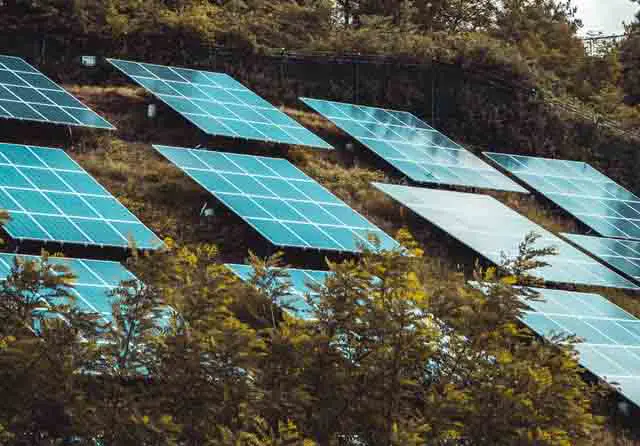
Cheap solar Christmas lights are LED strings that charge a small battery from a daylight panel and turn on after dark. They help if you lack an outdoor outlet, but short winter days, shade, and cold cut runtime. A solar set includes decorative bulbs plus a separate small panel on a stake or clip.
You place that panel in direct sun while the bulbs hang where you want them. Knowing sun, temperature, and safety needs helps you decide if a low-price set fits your yard.
Verification note: Program terms and availability can change. This page was checked against linked sources on November 13, 2026.
Where does the panel go?
Govee explains in its manufacturer guide that the panel charges an internal rechargeable battery during daylight and switches the string on after dark. Only the panel needs sun, not each bulb. Face the panel south where trees, houses, and eaves do not shade it.
Wipe dust and snow off the panel, and angle it toward midday sun. A shaded patio or north-facing wall will leave the battery weak by evening.
How much sun do they need in December?
Factory Buys states in its product specification that many fairy-light sets need about 4–8 hours of sunshine for about 8–10 hours of night runtime. Cloudy days give a shorter show. Festive Lights notes that December brings short days, low sun angle, clouds, snow, and shading.
Northern buyers should expect dimmer, shorter displays through cold months. If your yard gets only two hours of weak sun, plan for accent lighting, not all-night coverage.
Will freezing nights stop charging?
Govee reports that its solar strings operate from -4°F to 113°F but recharge only between 32°F and 122°F. Freezing nights can therefore leave a set displayed outdoors without refilling its battery. On frost nights, expect a short run the next evening.
Move stake panels to the sunniest daytime spot, then return them for evening display if cords allow. For steady evening light during a cold snap, keep a plug-in string as backup.
Which safety and weather marks matter?
SGS, reporting CPSC guidance, says outdoor Christmas lighting should carry a mark from a recognized testing laboratory and be certified for outdoor use. Missing wire size, strain relief, or overcurrent protection counts as a substantial product hazard. The Enclosure Company explains that IP44 means splash-resistant while IP65 means dust-tight and protected against low-pressure water jets.
The Department of Energy says LEDs consume 70% less energy than conventional incandescent strands. ENERGY STAR says certified decorative LED strings use about 92% less energy than incandescent strings.
- Check the box for outdoor use and a testing-lab mark.
- Pick IP65 for exposed rain and snow.
- Keep connections off soil and out of puddles.
How long will a cheap set last?
Cheap sets often use small NiCd or NiMH rechargeable cells that fade in roughly 1–2 years. The U.S. EPA states in its used-household-batteries guidance that rechargeable batteries must not go in household trash or recycling bins.
Take spent cells to battery recycling or hazardous-waste collection. If a string dims after one season, a worn cell is a common cause. Factor replacement cost before choosing the lowest price.