Cheap Christmas Gift Ideas for Neighbors You Barely Know
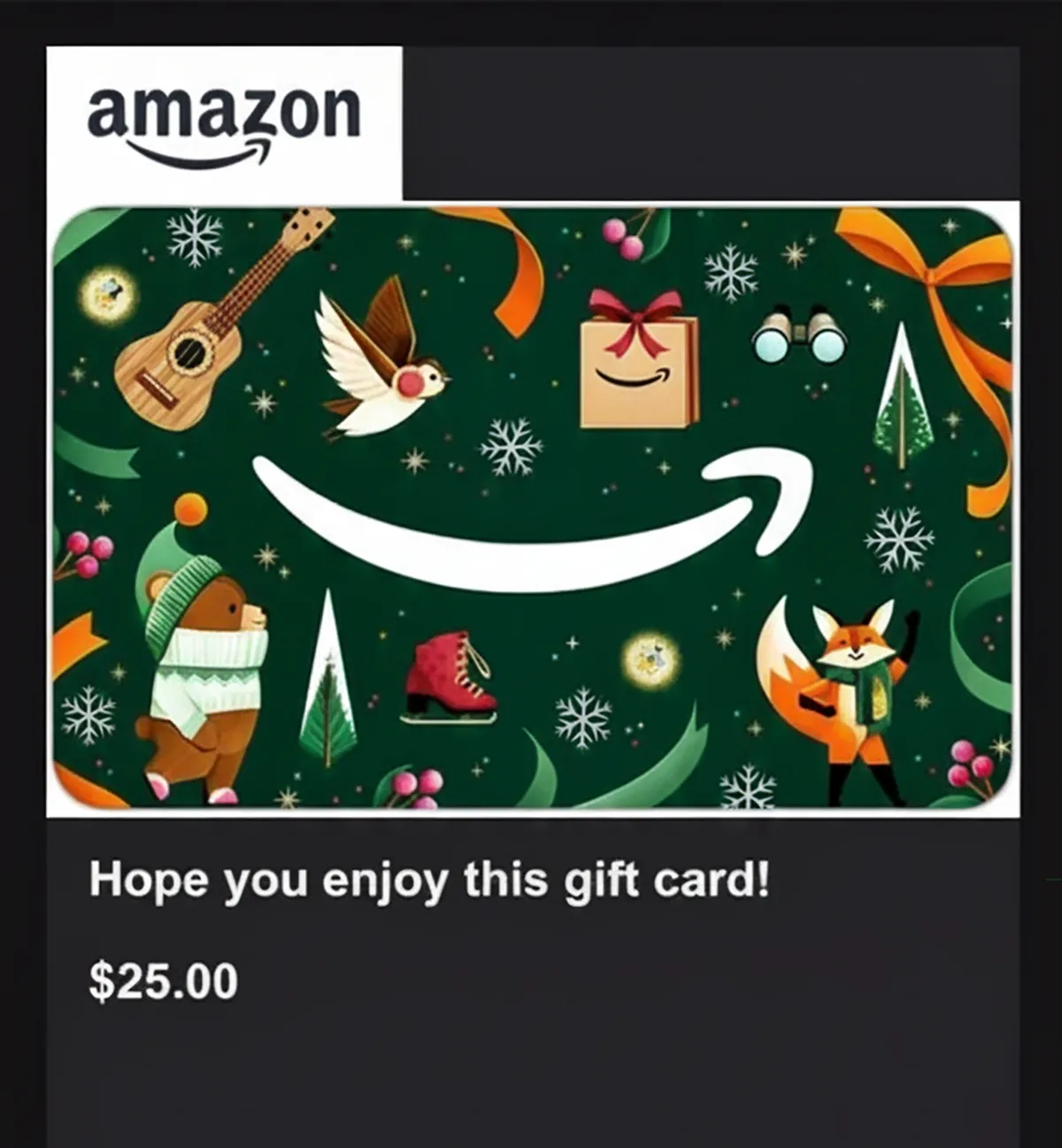
What to give the people next door for under $25 — plus the gift-card tampering check, allergen label, and pet-safe plant picks.
For a neighbor you barely know, the gift that works is small, consumable, and impossible to misread: a $10 to $20 gift card, a labeled box of baked goods, a bag of good coffee, or a nice candle left with a note. Spend less than you would on a friend, keep it un-personal on purpose, and make it something that gets used up rather than something they have to find a place for. That instinct is also what people actually want.
Gift cards topped the holiday wish list in the National Retail Federation's survey of 8,094 adults, with 47% of consumers saying they want to receive one — ahead of clothing at 44%, books and media at 25%, and personal care items at 24%, according to NRF's 2026 holiday survey. The cheapest safe gift is the most requested one.
Verification note: Program terms and availability can change. This page was checked against linked sources on November 13, 2026.
What a neighbor gift should cost
Anchor the number to what a real gift costs, then sit below it. NRF's Thanksgiving-weekend survey found shoppers expected to buy three to four gift cards and spend an average of $171.32 per person on them — roughly $43 to $57 a card. A neighbor card at $10 to $25 is clearly a gesture, not an obligation that invites a return gift.
Budget pressure is widely shared this year, so a modest gift reads as normal rather than cheap. NRF reports 56% of holiday shoppers say the economy will affect their spending plans, even while it forecasts November–December retail sales rising 4.2% over 2025 to $1.013 trillion. Nobody on your street is expecting a large box.
Pick the category by how little you know about them. A coffee shop, grocery store, hardware store, or ice cream card almost always gets spent. A card to a clothing or specialty store assumes taste, size, or hobby information you do not have.
Buying a gift card without losing the money
Gift cards have real legal protections, and they are worth knowing before you worry about expiration. Under the Credit CARD Act rules the Consumer Financial Protection Bureau administers, gift card funds must stay good for at least five years, and no inactivity fee may be charged until 12 months have passed with no use — then no more than one such fee per calendar month, with the amount and frequency disclosed. Some state laws are more generous.
The bigger risk is at the rack. The Federal Trade Commission warns that scammers tamper with gift cards on store displays — peeling off protective stickers or scratching away the PIN cover — then drain the balance as soon as someone loads it. Four checks before you pay: Hand over the receipt with the card, or write the amount on the envelope.
A neighbor who cannot prove what was loaded cannot dispute a theft.
- Look at the back: stickers should be intact, with no residue or misalignment.
- Pull the two or three cards behind it and compare; tampered batches often sit together.
- Prefer a card kept behind the counter when the store offers one.
- Photograph the card's number and keep the receipt, as the FTC advises, so you can report a drained balance.
Baked goods for a household you don't know
A tin of cookies costs a few dollars and is still the most welcome thing you can carry two doors down. The only real requirement is labeling, because you have no idea what is in that kitchen. US law now recognizes nine major food allergens: sesame became the ninth under the FASTER Act for food introduced into interstate commerce on or after January 1, 2023, joining the eight named in 2004, per the Food and Drug Administration — that is the list to write out on your card.
A plain index card reading "contains wheat, eggs, butter, almonds — baked in a kitchen that also uses peanuts" takes thirty seconds and lets a parent make the call. It also gives you cover: nobody has to ask you an awkward question at the door. One gift to skip entirely.
The Centers for Disease Control and Prevention states that home-canned vegetables are the most common cause of botulism outbreaks in the United States, because low-acid foods — those above pH 4.6 — require a pressure canner rather than a boiling-water canner, and the toxin cannot be seen, smelled, or tasted. CDC recommends boiling such foods for 10 minutes before eating, which is not an instruction you can rely on a stranger to follow. Give jam or cookies, not green beans.
The default cheap gifts that carry a hazard
Candles are the reflex neighbor gift, and they are fine — with a caveat worth putting on the tag. The National Fire Protection Association's 2019–2023 data attribute about 5,830 home structure fires a year to candles, causing roughly 70 deaths and 570 injuries, with December alone accounting for 11% of the annual total. About 60% of those fires started because something combustible sat too close to the flame, so a candle in a wide, heavy holder is a better gift than a tall taper, and a flameless LED candle removes the question.
Holiday plants are the other default, and they are the one most likely to go wrong in a house with pets. The ASPCA's Animal Poison Control Center lists amaryllis as toxic to dogs, cats, and horses, causing vomiting, diarrhea, abdominal pain, and tremors, and warns that lilies of the Lilium or Hemerocallis species can kill cats — even small pollen exposures can cause kidney failure. Its emergency line is (888) 426-4435.
Poinsettia, the plant with the worst reputation, is the safer pick: the ASPCA calls its toxicity "generally over-rated," producing mild to moderate gastrointestinal irritation. If you have ever seen a cat in that window, give the poinsettia, a wreath, or nothing botanical at all.
Low-cost gifts that don't require knowing anything
Some of the strongest options cost almost nothing and carry no allergy, fire, or pet risk. A card with your name, unit or house number, and phone number is genuinely useful to someone who has lived near you for a year without being able to reach you. Add a sentence offering to take in a package or watch the place while they travel.
Consumables scale down well. A single bar of good chocolate, a bag of whole-bean coffee, a packet of nice hot cocoa, a roll of stamps, or a bundle of dryer sheets all land at under $10 and get used. Hardware-store items work for a household you know nothing about: a furnace filter in the common size, a four-pack of LED bulbs, an ice scraper if you are somewhere it snows.
Deliver it in a way that requires no response. Leave it at the door with a note rather than knocking at dinnertime, and write "no need to return the tin" so the exchange ends there. A gift a neighbor feels obligated to match is a chore, not a gift.
Frequently Asked Questions
Is $10 too little for a neighbor gift?
No. Against NRF's reported average of $171.32 spent on three to four gift cards per person — roughly $43 to $57 a card — a $10 gift reads clearly as a neighborly gesture rather than a gift that expects one back.
Can a gift card expire before my neighbor uses it?
The funds must remain available for at least five years under the CFPB-administered rules, and no inactivity fee can be charged until 12 months of non-use, with at most one such fee per month. State law may extend that further.
What if I don't know whether they celebrate Christmas?
Choose something seasonal rather than religious — coffee, baked goods, a hardware-store item, or a card with your contact details. None of those assume a holiday, and all of them still work in January.