Black Friday Shipping Delays: What Causes Them Most Often
See what slows Black Friday parcels most and how order timing, shipping choice and tracking cut your wait.
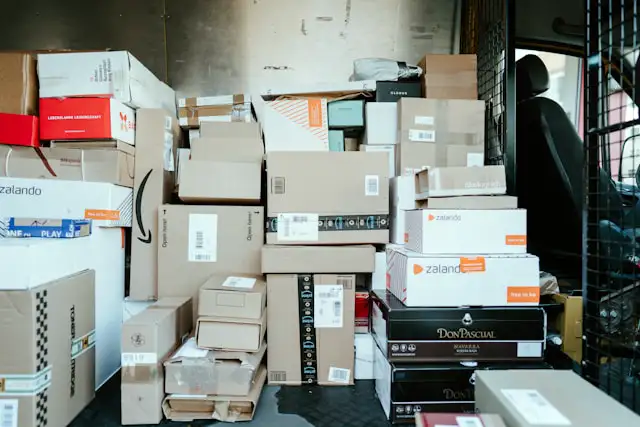
Black Friday shipping delays most often come from too many parcels hitting carrier networks at once, plus winter storms, tight seasonal staffing and last-mile failures. That crush turns small disruptions into late deliveries across many zip codes. Peak sales pack billions of dollars of orders into days, not weeks.
Adobe measured $11.8 billion in U.S. online spending on Black Friday 2025, up 9.1% year over year, in the record Black Friday spending report. That kind of surge fills trucks, planes, sorting hubs and delivery routes at the same time.
Verification note: Program terms and availability can change. This page was checked against linked sources on November 28, 2026.
Why order volume overwhelms carriers
Carriers plan for peak, then charge more when demand strains capacity. UPS set higher peak demand surcharges for Nov. 23-Dec.
27, 2025, including $10.80 added for handling strain, according to the UPS peak surcharge schedule. Those fees show networks expect tight space for large or hard-to-handle parcels. High volume also means less slack for re-routing.
A missed sort, a full trailer or a backed-up dock can push a package to the next truck. During Cyber Week, that next-truck delay can add days because every truck behind it is also full.
How winter storms trigger widespread lateness
Weather is the delay cause carriers warn about most directly. A ShipMatrix forecast for nearly 2.2 billion deliveries and returns between Thanksgiving and New Year's Eve said near-100% on-time delivery was possible, weather permitting. Reuters reported that forecast through Inc.
The same forecast conditioned on-time delivery on weather holding and no surprise order surge from severe winter storms, in the Reuters holiday delivery forecast. Snow, ice and high wind close roads, ground flights and shut sorting shifts. Even areas without snow feel it when parcels connect through a storm-hit hub.
Where staffing and port backups add pressure
Sorting, loading and last-mile delivery need many extra hands in November and December. The U.S. Postal Service expanded daily package processing to about 60 million and planned 7,500 seasonal hires for peak 2024, down from 10,000, according to the USPS peak-season bulletin.
Fewer temporary hires puts more pressure on permanent capacity when volume jumps. Freight research also points to port and rail congestion at Los Angeles and Long Beach from too few railcars. That can leave holiday inventory stuck near the coast.
Retailers may then shift to air or alternate routes, which raises costs and changes arrival dates.
What can you do before you order?
You cannot control storms or hub staffing, but order timing and address accuracy lower your risk. Early orders move before the tightest crunch. Slower free shipping has less buffer than faster paid shipping when a storm hits.
European parcel data from nShift found late or failed deliveries were about 6% of issues in Black Friday week 2024. Failed address and pickup problems made last-mile overload worse. A correct address and attended delivery location help your parcel stay on the truck route.
- Order early in the sale, not late Sunday night.
- Allow extra days for gifts with a firm arrival need.
- Check the estimated delivery date before payment.
- Use a complete street address, apartment number and correct ZIP.
- Choose store pickup or a locker when missed door delivery is likely.