Black Friday Electronics Giveaways: How to Verify the Entry Page
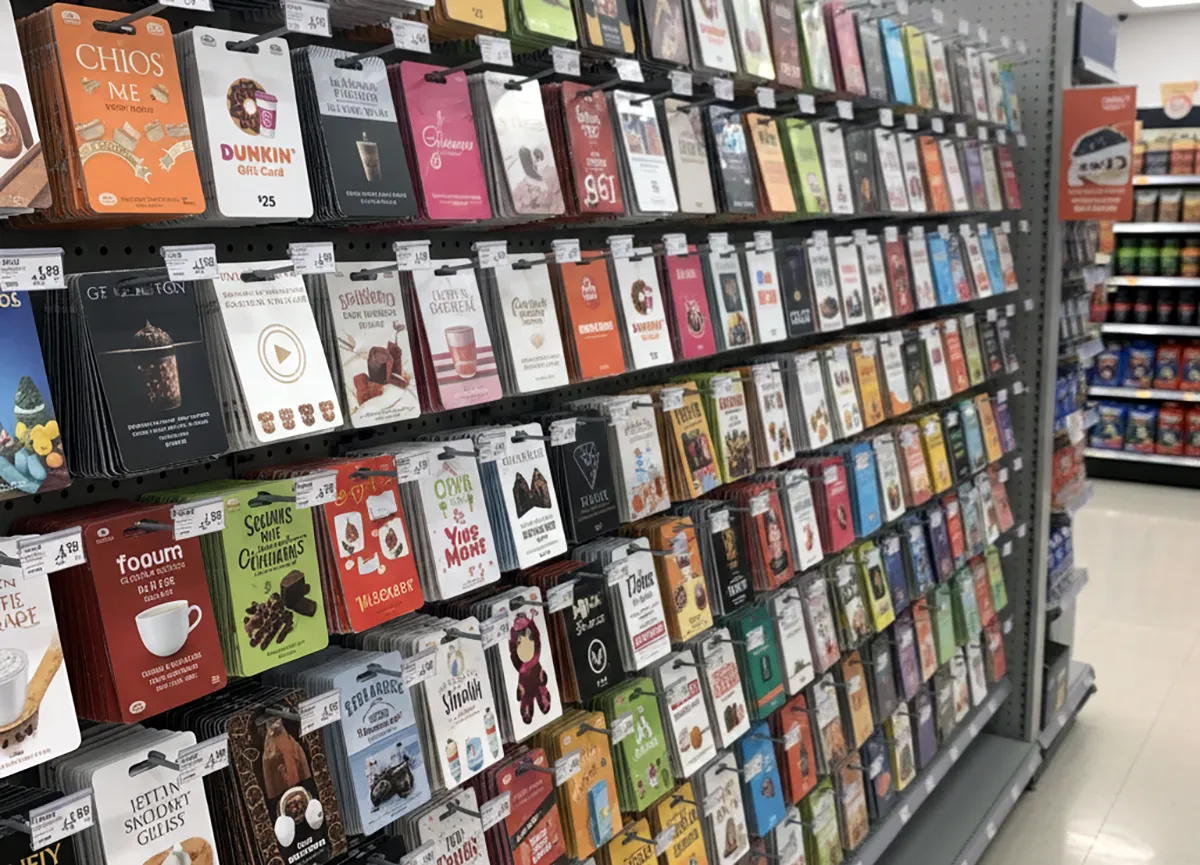
Check sponsor rules, web address, and free entry path before sharing payment data on a holiday tech giveaway.
To verify a Black Friday electronics giveaway entry page, look for full rules, a named sponsor, and a free entry path. A sweepstakes, a prize drawing where winners are picked by chance, counts as legitimate only when entry and prizes are free. Holiday electronics offers draw strong interest because prices are high and stock can feel urgent.
Use the checks below before you share contact details, payment data, or claim information.
Verification note: Program terms and availability can change. This page was checked against linked sources on November 03, 2026.
Does the page show complete rules?
A verifiable entry page links to full Official Rules. The rules should name the sponsor and state who may enter, how to enter, and the deadline. They should describe each prize with retail value, explain the odds, and state that no purchase is necessary and buying will not improve chances.
The FTC describes these disclosures in FTC case materials on sweepstakes rules. If any item is missing, pause. Save the page address and look for the same giveaway through the sponsor's website or app before you enter.
- sponsor name and contact details
- eligibility, entry method, and deadline
- prize description with retail value and odds
- no-purchase-necessary statement
Did you enter, and does winning cost money?
The FTC states that legitimate prizes are free and decided by chance, as explained in FTC guidance on prize promotions. Treat a demand for taxes, shipping, processing, or a fee to raise odds as a reason to stop. You cannot win a contest you did not enter.
Beware notices that claim you won a contest you never entered or that a donation made you a winner. Do not send money, card numbers, or Social Security numbers to claim electronics. A message that asks for bank details, requests remote payment, or pressures quick action fails the free-prize test.
Keep copies of the message and page for a report.
Is the sponsor and web address real?
The FBI reports holiday non-payment and non-delivery scams cost over $503 million in 2025 data. Common lures include too-good-to-be-true electronics, fake vouchers or gift cards, and phishing emails for brand merchandise. The FBI describes these patterns in FBI holiday shopping safety report.
CISA states that holiday criminals send phishing messages that look like retailers, as explained in CISA holiday shopping safety guidance. Those messages and false sites can steal money, personal data, or install malware. Type the sponsor or retailer domain yourself or open its app.
Check exact spelling and https, then confirm the giveaway through the sponsor's contact.
- type the known domain or open the app directly
- check spelling and https
- confirm the giveaway through the sponsor's contact, not an ad, text, email, or social post
When should you stop and report?
Logos, URLs, and entry forms can be closely copied. A report alone does not recover money. Stop if rules, sponsor contact, or a free-entry path are missing.
Report the page to ReportFraud.ftc.gov and ic3.gov. If you paid or shared financial details, contact your bank at once.