Black Friday Car Seat Deals: How to Check Safety Before Buying
Learn how to check recalls, expiration, fit, and crash history before buying a Black Friday car seat.
Before you buy a Black Friday car seat, check its federal certification, recall status, expiration date, crash history, and fit for your child. Every seat sold in the United States must meet the same federal safety rule, so a lower sale price does not mean lower crash protection. That rule is Federal Motor Vehicle Safety Standard 213, the maker-certified standard for how car seats must perform.
The sections below show how to use labels, manuals, and recall checks to pick a sale seat that fits your child and your car.
What does the safety label mean?
All new seats must be certified by the maker to Federal Motor Vehicle Safety Standard 213. NHTSA explains that its star program rates ease of use for labels, instructions, installation, and securing the child, not comparative crash protection, in the NHTSA ease-of-use ratings. That distinction matters on Black Friday.
A higher ease-of-use rating can mean clearer labels and simpler installation. It does not rank one seat as safer in a crash than another. Look for the certification statement on the seat labels and in the manual.
Check that labels are readable, parts are present, and the manual matches the exact model number.
How do you check recalls before checkout?
Write down the brand, model number, and manufacture date while you are still in the store or on the product page. NHTSA advises shoppers to check that information at nhtsa.gov/recalls, register the seat with the maker, and sign up for email recall alerts, as described in NHTSA car seat guidance. Do the recall search before you pay when you can.
For an online deal, save the product page and keep the box until you have registered the seat.
- Copy brand, model number, and manufacture date.
- Search those details for open recalls.
- Register with the maker and sign up for NHTSA and SaferCar alerts.
Will this seat fit your child and car?
Match the seat type to your child's age, size, and developmental needs. The American Academy of Pediatrics recommends keeping children rear-facing as long as possible, until they reach the maker's maximum rear-facing weight or height, in the AAP child passenger safety policy. The Academy also advises keeping children under age 13 in the back seat.
Use the seat labels and both manuals, for the seat and your vehicle, to verify weight limits, height limits, belt paths, and recline angle. Bring your child's current weight and height to the sale. If a convertible seat's rear-facing limit still leaves room to grow, that seat may serve longer than an infant-only seat on clearance.
When should you skip a deal?
Skip used, gifted, or marketplace seats with unknown history. Use a secondhand seat only when you can verify no moderate or severe crash, intact labels and parts, included manual, no open recall, and an unexpired date. Most seats expire 6 to 10 years after manufacture because plastic, foam, webbing, and labels degrade.
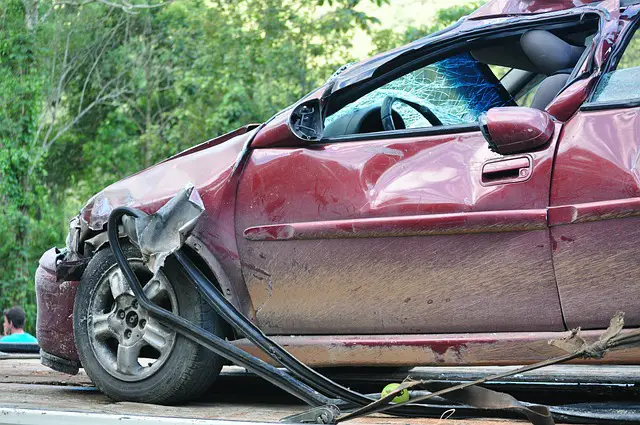
Find the expiration date on the seat label or in the manual, and do not buy or use an expired seat even if it looks new. NHTSA advises replacing a seat after a moderate or severe crash. A certified Child Passenger Safety Technician can check installation without charge through the NHTSA inspection-station locator or Safe Kids.