1099 Forms for Sweepstakes Winnings: What to Expect in 2026
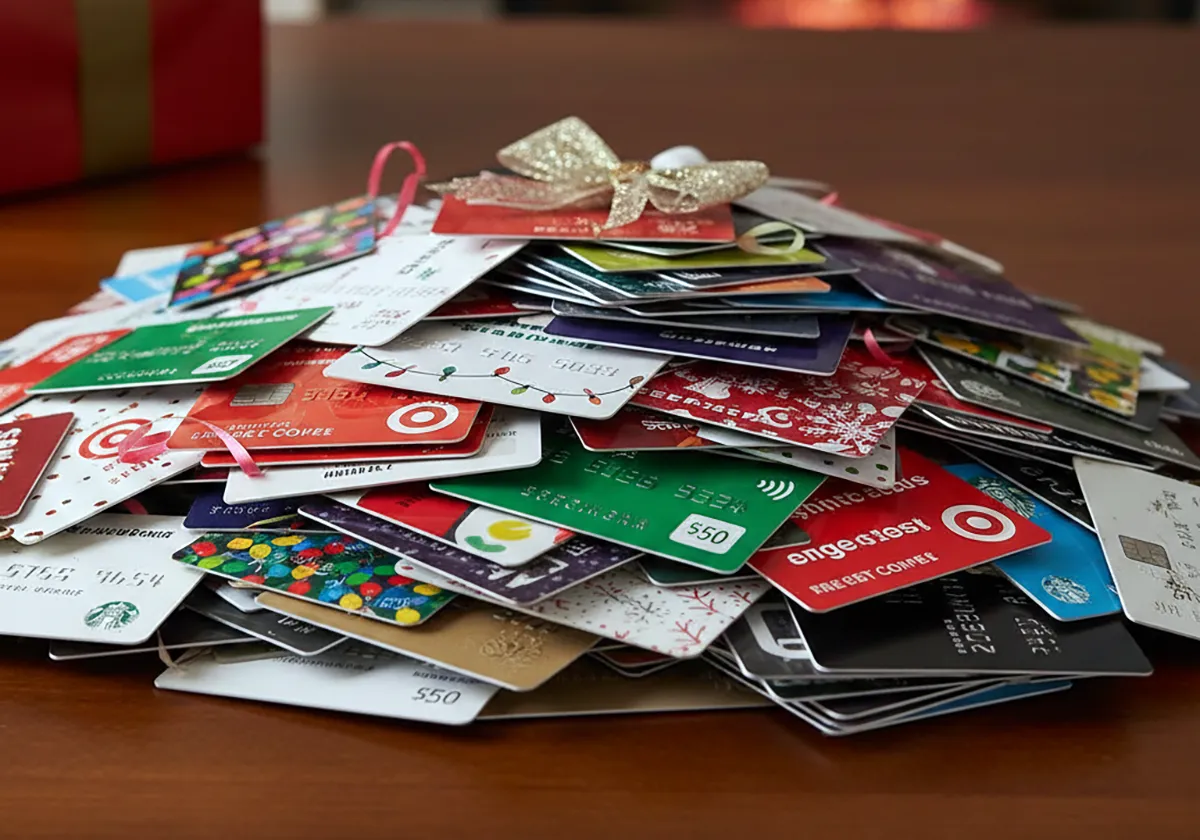
Prize paperwork changed in 2026: the 1099-MISC threshold jumped to $2,000, but a smaller untaxed-looking win is still taxable.
If you win a sweepstakes prize in 2026, the sponsor reports it to you and the IRS on Form 1099-MISC only when your prizes from that sponsor total $2,000 or more for the year. That threshold used to be $600, and the change is the single biggest difference between a 2025 win and a 2026 win. The catch is that the form and the tax are two separate things.
A smaller prize that generates no paperwork is still taxable income, and a prize you won by placing a wager follows an entirely different set of rules.
Verification note: Program terms and availability can change. This page was checked against linked sources on November 13, 2026.
The $2,000 threshold, and where it came from
Sweepstakes prizes won without a wager are reported in Box 3, "Other income," of Form 1099-MISC. The IRS instructions for Forms 1099-MISC and 1099-NEC tell payers to include the fair market value of merchandise won on game shows and "amounts paid to a winner of a sweepstakes not involving a wager." For prizes paid in 2026, that Box 3 threshold is $2,000, aggregated per winner per calendar year. The IRS states the figure increased from $600 to $2,000 and may be adjusted for inflation beginning in calendar year 2027.
The change comes from Section 70433 of the One Big Beautiful Bill Act (P.L. 119-21), signed July 4, 2025, which amended Internal Revenue Code §6041(a). It applies to prizes awarded after December 31, 2025.
A prize you won in 2025 still triggers a 1099-MISC at $600, so the two tax years genuinely behave differently. Treasury and the IRS followed up with proposed regulations, REG-113229-25, published in the Federal Register on April 17, 2026, conforming the regulations' $600 figures to $2,000. Treasury notes the statutory thresholds apply regardless of whether those proposed rules are finalized.
No form does not mean no tax
This is where winners get caught. The threshold governs whether a form is issued — not whether the prize is taxable. Win a $900 prize package in 2026 and you will receive no 1099-MISC.
You still owe income tax on the prize's fair market value, and you are expected to report it. The paperwork disappeared; the obligation did not. Sponsors are advised to keep records of prize values and winner identities below the line anyway, so a sponsor may still ask for your details on a prize that generates no form.
That is normal, not a red flag.
Wager-based prizes follow W-2G rules instead
If entry required a wager, the prize is gambling income and goes on Form W-2G, not 1099-MISC. The distinction matters because the withholding rules are far more aggressive. Under the IRS instructions for Forms W-2G and 5754, the payer must withhold 24% of the proceeds — winnings minus the wager — when those net proceeds exceed $5,000 and are at least 300 times the wager.
A promotional sweepstakes with no purchase or wager required never hits this path. One more wager-only rule: effective for tax years beginning after December 31, 2025, the proposed regulations implement a new §165(d) limit allowing only 90% of wagering losses to be deducted, and only to the extent of wagering gains. That affects wager-based play and has nothing to do with purchase-free promotional sweepstakes.
Why sponsors ask for a W-9 before shipping your prize
Backup withholding of 24% applies when a reportable winner fails to furnish a correct taxpayer identification number. That is the reason a sponsor asks for a Form W-9 and a signed affidavit of eligibility before releasing a prize at or above the reporting threshold. What that means in practice:
- Expect a W-9 request on prizes at or above $2,000 in 2026, not on a $50 gift card.
- Giving a wrong or missing TIN does not avoid tax — it triggers 24% withholding instead.
- The proposed regulations also raise the backup-withholding threshold to $2,000, matching the reporting figure.
- An affidavit of eligibility is a standard part of claiming a larger prize; read it before signing.
Non-cash prizes and fair market value
Cars, trips, electronics and other merchandise are valued at fair market value for both reporting and withholding. A $3,500 fair market value on a prize package is what lands in Box 3, even though no money changed hands. Where a payer chooses to pay the tax on a non-cash prize instead of the winner, the W-2G instructions gross the amount up to 31.58% of the fair market value less the wager.
That gross-up applies on the wagering side; for a standard no-wager sweepstakes, the stated fair market value is simply reported and the tax is yours. If a prize's stated value looks higher than what the item actually sells for, that gap is worth raising with the sponsor before you accept, since the reported figure is what flows to your return.
When the form actually arrives
A 1099-MISC for a 2026 prize must be furnished to the winner by January 31, 2027, and filed with the IRS by February 28, 2027 on paper, according to the IRS General Instructions for Certain Information Returns. You will see these forms during the 2027 filing season, not during 2026. So a prize you win this month produces nothing in your mailbox for roughly ten weeks.
Keep your own record now — the prize description, the date awarded, the sponsor, and the stated fair market value — because that is what lets you check the form against reality when it shows up. If the amount on the form is wrong, contact the sponsor that issued it before you file. Corrections come from the payer, not the IRS.
Frequently Asked Questions
I won two $1,200 prizes from the same sponsor in 2026. Will I get a 1099-MISC?
Yes. The $2,000 threshold aggregates per winner per calendar year, so $2,400 from one sponsor crosses it even though neither prize does alone.
Does the $2,000 threshold apply to prizes I won in late 2025 but received in 2026?
The statutory change applies to prizes awarded after December 31, 2025. A prize awarded in 2025 still falls under the $600 rule.
Why did a sponsor withhold 24% from my cash prize?
Either you did not furnish a correct taxpayer identification number, which triggers backup withholding, or the prize was wager-based and met the W-2G withholding test of net proceeds over $5,000 at 300 times the wager.